
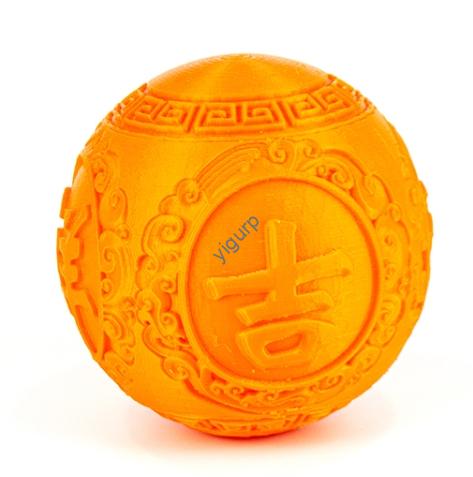
Si eres diseñador de productos, ingeniero, o aficionado trabajando en un nuevo proyecto, probablemente hayas preguntado: “¿Es el PLA una buena opción para mi prototipo impreso en 3D??" La respuesta corta es yes—but with key considerations. En esta guía, desglosaremos todo lo que necesita saber sobre el uso de PLA (Ácido poliláctico) para modelos prototipo, from its biggest advantages to limitations and practical tips.
What Is PLA, and Why Is It Popular for 3D Printing?
Primero, comencemos con lo básico. PLA is a biodegradable thermoplastic made from renewable resources like corn starch, sugarcane, or cassava. It’s one of the most widely used 3D printing materials globally, and for good reason.
According to industry data from 2024:
- PLA accounts for encima 45% of all consumer and professional 3D printing filament sales (fuente: 3D Printing Industry Report).
- Average PLA filament costs range from \(15 a \)30 per kilogram, making it 30–50% cheaper than materials like ABS or PC (policarbonato).
- 78% of beginner 3D printer users start with PLA due to its easy-to-print nature (fuente: MakerBot User Survey).
Key Advantages of Using PLA for 3D Printed Prototypes
PLA shines in prototype projects where cost, velocidad, and environmental impact matter most. Below are its top benefits, backed by practical use cases:
1. Eco-Friendly and Sustainable
PLA is 100% biodegradable under industrial composting conditions (typically 180–210 days at 55°C with moisture). This is a huge plus if:
- Your company prioritizes sustainability in product development.
- You’re creating temporary prototypes that will be discarded after testing.
- You want to reduce plastic waste compared to non-biodegradable materials like ABS.
2. Easy to Print (Perfect for Beginners and Fast Turnaround)
El PLA tiene un punto de fusión bajo. (180–220°C, vs. 230–260°C for ABS) y deformación mínima. This means:
- Fewer print failures: Even new users report a 90%+ success rate with PLA for simple to moderate prototype designs.
- No need for a heated print bed (though it helps with adhesion): Saves time on setup and reduces energy use.
- Faster print speeds: PLA can be printed at 50–80 mm/s (vs. 30–50 mm/s for ABS), cutting prototype production time by 20–30%.
3. Cost-Effective for Iterations
Prototyping often requires multiple iterations (p.ej., testing fit, form, or basic function). PLA’s low cost makes it easy to test ideas without overspending. Let’s compare costs for a small prototype (100g of filament needed):
| Material | Cost per 100g | Print Failure Cost Risk | Total Average Cost per Prototype |
| PLA | \(1.5–\)3 | Bajo (≈5% failure rate) | \(1.6–\)3.2 |
| ABS | \(2.5–\)4 | Alto (≈15% failure rate) | \(2.9–\)4.6 |
| ordenador personal | \(4–\)6 | Medio (≈10% failure rate) | \(4.4–\)6.6 |
As you can see, PLA cuts costs significantly—especially when you’re printing 5+ iterations.
4. Good Mechanical Properties for Simple Prototypes
While PLA isn’t the strongest material, it has enough strength and rigidity for most basic prototype needs:
- Resistencia a la tracción: 50–70MPa (similar to low-density polyethylene, enough for testing part fit).
- Módulo de flexión: 2.5–3.5 GPa (stiff enough for mockups of housings, recintos, or small components).
- Acabado superficial: PLA prints with smooth, low-porosity surfaces, so you can easily sand or paint prototypes for client presentations.
Limitations of PLA for Prototypes (When to Choose Another Material)
PLA isn’t a one-size-fits-all solution. Its weaknesses mean it’s not ideal for every prototype. Here are the key limitations to watch for:
1. Poor Heat Resistance
PLA softens at 50–60°C (vs. 90–100°C for ABS and 120°C for PC). This makes it a bad choice if your prototype will:
- Be used near heat sources (p.ej., electronics with warm components).
- Be tested in high-temperature environments (p.ej., outdoor gear in summer).
- Need to withstand friction or pressure that generates heat.
2. Low Impact Resistance
PLA is brittle compared to ABS or TPU (poliuretano termoplástico). It will crack or break under:
- Dropping (p.ej., prototypes for phone cases or tools).
- Heavy pressure (p.ej., structural parts like brackets).
- Doblar (p.ej., flexible components like hinges).
3. Minor Warping Risks
While PLA warps less than ABS, it can still shift during printing if:
- The print bed isn’t level.
- The ambient temperature in your workspace fluctuates (p.ej., near windows or vents).
- The prototype has large, superficies planas (p.ej., a laptop stand mockup).
How to Maximize PLA Prototype Quality: Tips for Success
If you decide to use PLA, follow these steps to avoid common issues and get the best results:
- Use a slightly heated bed: Set it to 50–60°C to improve adhesion (even though PLA doesn’t require él).
- Control workspace temperature: Keep your printer in a room with 20–25°C temperature (no drafts!).
- Adjust layer height: For detailed prototypes, use 0.15–0.2 mm layer height; for faster prints, use 0.25–0.3 mm.
- Add supports for overhangs: PLA can handle small overhangs (up to 45°), but for steeper angles (p.ej., 60°+), add dissolvable or breakaway supports.
- Post-process for strength: If you need a bit more durability, coat your prototype with a thin layer of epoxy resin (this won’t fix heat resistance, but it will reduce brittleness).
Yigu Technology’s Perspective on PLA for Prototypes
En Yigu Tecnología, we recommend PLA for 80% of our clients’ initial prototype projects—especially for concept validation and form-fit testing. Its affordability lets clients iterate quickly (we’ve seen teams cut prototype timelines by 3–5 days using PLA vs. ABS), and its sustainability aligns with the eco-conscious goals of many modern businesses. For prototypes needing heat or impact resistance, we often suggest blending PLA with other materials (p.ej., PLA+ for slight strength gains) or switching to ABS/PC for final testing. Ultimately, PLA is a smart, cost-effective starting point for most product development journeys.
Preguntas frecuentes:
1. Can PLA prototypes be painted or dyed?
Sí! PLA’s smooth surface accepts acrylic paints, spray paints, and even dyes well. For best results, sand the prototype lightly with 200–400 grit sandpaper first to help the paint adhere.
2. How long will a PLA prototype last?
If stored in a cool, dry place (away from heat and sunlight), a PLA prototype can last 2–5 años without degradation. If exposed to moisture or high temperatures, it may start to soften or break down faster.
3. Is PLA food-safe for prototypes (p.ej., kitchen gadget mockups)?
Pure PLA is food-safe, but most PLA filaments have additives (p.ej., colorantes) that may not be. If you need a food-safe prototype, choose “food-grade PLA” from reputable brands and avoid using the prototype for actual food contact (it’s still a prototype, not a final product!).