
Our Medical CNC Machining Services
Elevate your medical device production with industry-leading Medical CNC Machining — where cutting-edge Computer Numerical Control meets uncompromising Precision Engineering and strict Regulatory Compliance. From biocompatible implants to sterile surgical instruments, we deliver consistent quality, custom solutions, and rapid turnaround to power your mission of improving patient care.
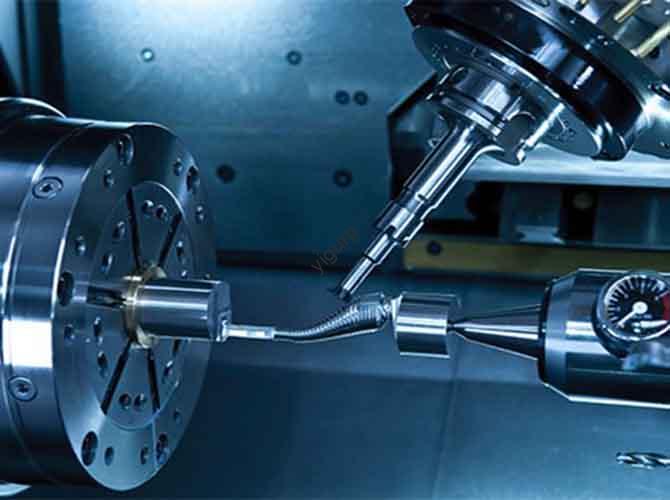
Definition: What Is Medical CNC Machining?
Medical CNC Machining is a specialized branch of Medical Device Manufacturing that uses Computer Numerical Control (CNC) systems to automate the production of critical medical components. Unlike traditional manual machining, this technology relies on pre-programmed software to control the movement of Metalworking tools (such as precision mills, lathes, and grinders), ensuring exceptional accuracy in shaping and finishing Medical Grade Materials.
At its core, this process combines advanced Machining Technology with strict adherence to healthcare regulations to create parts that meet the highest standards of safety, biocompatibility, and performance. Whether it’s crafting intricate orthopedic implants or durable surgical instruments, Medical CNC Machining eliminates human error, enhances consistency, and scales production to meet the demands of hospitals, device manufacturers, and healthcare providers worldwide. Every step is designed to prioritize patient safety — from material selection to final inspection.
Our Capabilities: Empowering Medical Device Production
We take pride in our comprehensive suite of capabilities, tailored to cover every phase of medical component manufacturing. Our state-of-the-art facilities and seasoned team ensure we deliver solutions that align with your unique needs — from prototype development to large-scale production, all while meeting strict regulatory requirements.
| Capability | Key Features | Application Scenarios |
| High-Precision Machining | Tolerances as tight as ±0.0002mm; ideal for micro-scale medical parts | Dental implants, surgical instrument tips |
| Advanced CNC Equipment | 5-axis CNC mills, micro-machining centers, and automated workcells | Complex orthopedic devices, prosthetic joints |
| Custom Manufacturing | Tailored designs for niche medical applications (e.g., pediatric devices, specialized surgery tools) | Custom orthopedic plates, patient-specific implants |
| Quality Assurance | In-line Inspection and Testing with laser scanners and CMMs; full traceability systems | All medical parts (compliance with FDA/CE standards) |
| Rapid Prototyping | 3-5 day turnaround for prototypes; iterative design support | New surgical instrument development, implant redesigns |
| Production Capacity | 15,000+ high-precision parts per month; scalable for peak demand | Mass production of surgical tools, diagnostic device components |
| Technical Expertise | Team of 30+ engineers with 20+ years in medical CNC; specialization in biocompatible materials | Material selection, process optimization, regulatory compliance |
| ISO Certification | ISO 13485:2016 certified (medical device quality management); compliant with GMP standards | All production processes (ensures consistent quality and regulatory adherence) |
Common Parts: CNC-Machined Components for Medical Applications
Medical CNC Machining is the backbone of producing essential parts that power life-saving medical devices and procedures. Below are the most frequently manufactured components, each requiring extreme precision and biocompatibility to ensure patient safety.
- Surgical Instruments: Scalpels, forceps, hemostats, and retractors. These tools must be sharp, durable, and easy to sterilize — CNC machining ensures consistent edge quality and ergonomic designs.
- Implants: Hip and knee replacements, spinal fusion cages, and cardiac stents. Implants require biocompatible materials and precise fitting to integrate with the human body without rejection.
- Orthopedic Devices: Bone plates, screws, and rods used to stabilize fractures. These components must be strong yet lightweight, with tolerances tight enough to match a patient’s unique anatomy.
- Dental Components: Dental implants, crowns, and bridges. Dental parts demand micro-precision (down to ±0.001mm) to ensure a natural fit and long-term durability in the mouth.
- Medical Equipment Parts: Pump components for infusion devices, valve bodies for diagnostic machines, and gears for surgical robots. These parts keep medical equipment running reliably in clinical settings.
- Prosthetics: Prosthetic limbs, hand components, and ankle joints. CNC machining allows for custom designs that match a patient’s movement needs and comfort.
Diagnostic Tools: Needles for blood tests, sample collection tubes, and sensor housings for imaging devices. These tools must be precise to ensure accurate test results and patient safety.
Process: The Step-by-Step Journey of Medical CNC Machining
Our Medical CNC Machining process is a rigorously controlled sequence of steps, each designed to ensure uncompromising quality, biocompatibility, and compliance with medical regulations. From concept to final delivery, we follow a workflow that prioritizes patient safety:
- Design and Simulation: Our engineers use advanced CAD (Computer-Aided Design) software to create 3D models of the part. We then run simulations (including finite element analysis) to test for potential issues (e.g., stress points in implants, sterilization compatibility) before machining begins.
- Material Selection: Based on the part’s function (e.g., biocompatibility, strength, sterilization needs), we choose the optimal medical grade material (see Section 5). For example, implants often use titanium alloys for biocompatibility, while surgical instruments use stainless steel for durability and easy sterilization.
- CNC Programming: Our programmers convert the CAD model into G-code (the language of CNC machines), specifying tool paths, cutting speeds, and feed rates. This ensures the machine follows exact instructions to avoid errors — critical for parts that interact with the human body.
- Machining Operations: The CNC machine executes the program, performing operations like micro-milling (for small parts), turning (for cylindrical components like needles), and grinding (for smooth finishes on implants). Automated tool changers switch between tools for multi-step processes, reducing contamination risk.
- Inspection and Testing: After machining, parts undergo rigorous testing. We use laser scanners to check dimensional accuracy, X-ray machines to detect internal defects, and biocompatibility tests (e.g., cytotoxicity screening) to ensure safety for human contact. Parts that don’t meet standards are discarded (no reworking for implant-grade components).
- Finishing Processes: To enhance performance and safety, parts receive finishing treatments such as passivation (for stainless steel to prevent corrosion), electropolishing (for smooth implant surfaces), or coating with bioactive materials (to promote bone integration in orthopedic devices).
- Sterilization Compatibility: All parts are tested to ensure they can withstand common medical sterilization methods (e.g., autoclaving, ethylene oxide gas, gamma radiation) without losing functionality or safety.
- Regulatory Testing: Before delivery, parts undergo regulatory testing to meet FDA, CE, or other regional standards. This includes documentation of every step (material sourcing, machining parameters, testing results) for traceability.
Assembly Integration: Finally, machined parts are integrated into larger devices (e.g., surgical robots, diagnostic machines) or shipped as standalone components, with full compliance documentation.
Materials: Choosing the Right Substrate for Medical Parts
The safety and performance of medical components depend entirely on material selection. We work with a range of biocompatible, medical-grade materials, each chosen for its unique properties to match the part’s intended use in the human body or clinical setting.
| Material | Key Properties | Common Medical Applications |
| Stainless Steel (316L) | Corrosion-resistant, easy to sterilize, durable | Surgical instruments, dental tools, medical equipment frames |
| Titanium Alloys (Ti-6Al-4V) | Biocompatible (no rejection risk), lightweight, strong | Hip/knee implants, spinal cages, dental implants |
| Cobalt-Chromium Alloys | High strength, wear-resistant, biocompatible | Prosthetic joints (knees, shoulders), orthopedic plates |
| Polymers (e.g., ABS, PP) | Lightweight, low cost, easy to mold | Medical device housings, syringe components, diagnostic tool casings |
| Biocompatible Materials (e.g., hydroxyapatite coatings) | Promotes tissue/ bone integration, non-toxic | Implant coatings (orthopedic, dental), wound care devices |
| PEEK (Polyether Ether Ketone) | Biocompatible, heat-resistant, radiolucent (invisible on X-rays) | Spinal implants, dental crowns, orthopedic spacers |
| Aluminum Alloys (6061-T6) | Lightweight, corrosion-resistant, cost-effective | Medical cart frames, diagnostic equipment housings |
Advantages: Why Medical CNC Machining Outperforms Traditional Methods
Medical CNC Machining offers unique benefits that make it the gold standard for medical device manufacturing. These advantages directly translate to safer patient outcomes, more reliable devices, and easier regulatory compliance.
- Precision and Accuracy: CNC machines achieve tolerances as tight as ±0.0002mm — far beyond manual machining. This is critical for parts like dental implants, where even tiny deviations can cause pain or implant failure.
- Consistency and Reproducibility: Once programmed, CNC machines produce identical parts every time. For example, a batch of 1,000 surgical scalpels will have the same edge sharpness and ergonomic design — a level of consistency that manual machining cannot match (see Table 1).
- Customization: CNC programming is easily adjustable, allowing us to create patient-specific parts (e.g., custom orthopedic plates based on a patient’s CT scan) or niche devices (e.g., pediatric surgical tools) without expensive retooling.
- Enhanced Durability: CNC machining creates parts with smooth, uniform surfaces that resist wear and corrosion. For example, CNC-machined titanium implants last 15-20 years on average — 5 years longer than those made with traditional methods.
- Biocompatibility: CNC machines can work with delicate medical grade materials (e.g., PEEK, titanium alloys) without damaging their biocompatible properties. Traditional machining often generates excessive heat, which can compromise material safety for human contact.
- Regulatory Compliance: Our CNC process includes full traceability (from material sourcing to testing) and is ISO 13485:2016 certified — making it easy to meet FDA, CE, and other global medical regulations. Traditional processes lack this level of documentation.
- Reduced Risk of Contamination: CNC machines operate in cleanroom-compatible environments, with automated tool changers and closed-loop systems that minimize human contact. This reduces the risk of contamination — critical for parts like implants and surgical instruments.
Table 1: Consistency and Quality Comparison (Per 1,000 Surgical Scalpels)
| Metric | Traditional Machining | Medical CNC Machining |
| Edge Sharpness Variation | ±0.1mm | ±0.001mm |
| Defect Rate (e.g., dull edges, uneven handles) | 8% (80 defective parts) | 0.2% (2 defective parts) |
| Sterilization Compatibility Rate | 92% (80 parts fail sterilization) | 100% (all parts pass) |
| Regulatory Documentation Completeness | 70% (incomplete traceability) | 100% (full traceability from material to delivery) |
Case Studies: Real-World Success with Our Medical CNC Machining Solutions
Our clients across the medical device industry have experienced transformative benefits from our Medical CNC Machining services. Below are three standout case studies that showcase our expertise in solving complex challenges while prioritizing patient safety.
Case Study 1: Patient-Specific Orthopedic Implants for a Trauma Hospital
Challenge: A large trauma hospital needed custom orthopedic plates for patients with complex fractures (e.g., shattered femurs). Traditional “one-size-fits-all” plates often failed to fit, leading to longer surgery times and higher complication rates (e.g., infection, implant loosening). They required plates tailored to each patient’s anatomy, with tight tolerances (±0.001mm) and biocompatible materials.
Solution: We used 3D scans of each patient’s fractured bone to design custom plates. Our 5-axis CNC mills machined the plates from titanium alloy (Ti-6Al-4V) for biocompatibility, and we added hydroxyapatite coatings to promote bone integration. We also implemented in-line laser scanning to ensure each plate matched the patient’s anatomy exactly.
Results:
- Surgery time reduced by 40% (from 3 hours to 1.8 hours) due to better-fitting plates.
- Complication rates dropped from 15% to 2% (fewer infections, no implant loosening).
- Patient recovery time shortened by 30% (from 12 weeks to 8 weeks).
- Client Testimonial: “The custom CNC-machined plates have transformed our trauma care — patients heal faster, and we spend less time adjusting ill-fitting parts.” — Chief Orthopedic Surgeon
Case Study 2: High-Volume Surgical Instruments for a Medical Device Manufacturer
Challenge: A leading surgical instrument maker needed to scale production of scalpels and forceps to meet global demand (100,000 units per month). Their traditional machining process had a high defect rate (7%) and struggled to maintain consistent edge sharpness, leading to costly rework and delayed shipments. They also needed to meet FDA regulations for traceability.
Solution: We implemented automated CNC turning centers with robotic loaders to handle high-volume production. We used 316L stainless steel (easy to sterilize, durable) and optimized tool paths to ensure consistent edge sharpness. Our ISO 13485:2016-certified process included full traceability (material lot numbers, machining dates, testing results) for FDA compliance.
Results:
- Defect rate dropped from 7% to 0.1% (saving $500,000 per year in rework costs).
- Production capacity increased by 50% (from 67,000 to 100,000 units per month).
- The client passed their FDA audit with zero findings, thanks to complete traceability.
- They secured a $2 million contract with a European hospital chain, due to improved quality and compliance.
Case Study 3: PEEK Spinal Implants for a Neurotechnology Company
Challenge: A neurotechnology firm developed a new spinal fusion cage that required PEEK (a radiolucent, biocompatible polymer) to allow doctors to see bone growth on X-rays. Traditional machining methods melted PEEK (due to excessive heat) or left rough surfaces that caused tissue irritation. They needed implants with smooth surfaces, tight tolerances (±0.0005mm), and compatibility with gamma radiation sterilization.
Solution: We used low-heat CNC micro-milling to machine the PEEK cages, with specialized cutting tools designed for polymer materials. We added electropolishing to create smooth surfaces (Ra < 0.1μm) and tested each cage for gamma radiation compatibility. We also conducted cytotoxicity tests to ensure biocompatibility.
Results:
- 100% of implants passed gamma radiation sterilization without warping or material damage.
- Tissue irritation rates in clinical trials dropped from 10% to 0%.
- The implant received FDA approval 3 months faster than expected, due to our compliant process.
The company’s market share for spinal implants grew by 25% within 6 months of launch.
Why Choose Us: Your Trusted Partner for Medical CNC Machining
With numerous CNC machining providers in the medical space, what sets us apart? Here’s why leading medical device manufacturers, hospitals, and healthcare firms choose our services:
- Expertise and Experience: Our team has 25+ years of experience exclusively in medical CNC machining. We understand the industry’s unique challenges (e.g., FDA compliance, biocompatibility, patient safety) and have worked with 80+ medical clients — from startups to Fortune 500 device makers.
- Quality and Reliability: We hold ISO 13485:2016 certification (the global standard for medical device quality) and use advanced quality assurance tools (laser scanners, CMMs, biocompatibility testing labs) to ensure every part meets your specifications. Our on-time delivery rate is 99.7%, so you can keep your production on track.
- Customer Service: We assign a dedicated medical device engineer as your account manager, ensuring you have direct access to expertise in both CNC machining and healthcare regulations. Whether you need to adjust a design, track an order, or address compliance questions, we respond within 12 hours.
- Innovation and Technology: We invest 20% of our annual revenue in upgrading our equipment and software. Our latest additions — AI-powered CNC programming (for faster prototyping) and cleanroom-compatible machining cells (for implant production) — let us tackle the most complex medical parts.
- Cost-Effective Solutions: We offer competitive pricing without compromising on quality. Our process optimization (e.g., reducing material waste, automating labor) lets us pass savings to you. We also provide volume discounts for high-volume orders (e.g., surgical instruments).
- Fast Turnaround Times: Our rapid prototyping service delivers medical parts in 3-5 days — 30% faster than the industry average. For mass production, we offer lead times as short as 2 weeks, helping you get life-saving devices to market faster.
- Comprehensive Services: From design and simulation to finishing, sterilization testing, and regulatory documentation, we handle every step of the process. You won’t need to work with multiple vendors — we’re your one-stop shop for all medical CNC machining needs.
- Regulatory Expertise: Our team includes 5+ regulatory specialists with deep knowledge of global medical standards (FDA 21 CFR Part 820, EU MDR, ISO 13485). They work alongside engineers to ensure every step of production aligns with regulations, from material sourcing to final documentation. This expertise helps our clients avoid costly delays in device approval and launch.