
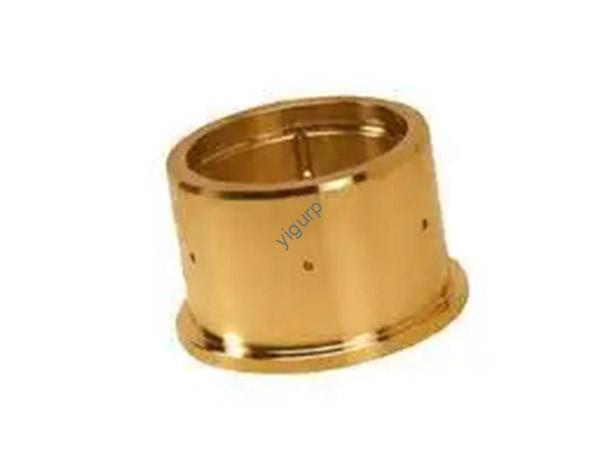
Si trabajas en la industria manufacturera., construcción, o ingeniería automotriz, you’ve likely needed a steel that balances strength with easy machining.Acero estructural de aleación de plomo—regular structural steel infused with small amounts of lead—fills this niche. El aditivo de plomo aumenta la maquinabilidad (crítico para piezas de precisión) manteniendo el acero lo suficientemente fuerte para uso estructural o mecánico. En esta guía, desglosaremos sus propiedades, aplicaciones del mundo real, como se hace, y cómo se compara con otros aceros. Whether you’re a machinist, ingeniero, or buyer, this guide will help you decide if lead alloy structural steel is right for your project—while addressing key factors like safety and performance.
1. Material Properties of Lead Alloy Structural Steel
Lead Alloy Structural Steel’s unique advantage is its mix of structural strength and enhanced machinability. The lead content (typically low, 0.15–0.35%) is the key to its performance, but it also impacts other traits like corrosion resistance.
Composición química
The lead additive is carefully balanced with other elements to avoid weakening the steel. Typical composition includes:
- Hierro (fe): 95 – 98% – The base metal, providing the structural strength needed for beams, ejes, o piezas de automóviles.
- Carbon (do): 0.10 – 0.45% – Low to medium carbon: keeps the steel strong (enough for load-bearing use) but not too hard to machine. Higher carbon (0.30–0.45%) is used for parts like gears; lower carbon (0.10–0.20%) for construction components.
- Manganese (Mn): 0.50 – 1.50% – Improves workability and strengthens the steel (prevents brittleness from lead).
- Silicio (Y): ≤0.35% – Minimized because high silicon reduces machinability (it makes the steel harder and increases tool wear).
- Phosphorus (PAG): ≤0.04% – Kept low to avoid brittleness (critical for structural parts like beams that need to bend without breaking).
- Sulfur (S): 0.05 – 0.20% – Works with lead to boost machinability: sulfur forms small inclusions that break chips, while lead lubricates cutting tools.
- Lead (Pb): 0.15 – 0.35% – The defining additive: melts at low temperatures (327°C) and acts as a “internal lubricant” during machining, reducing friction between the tool and steel.
- Trace Elements: Tiny amounts of copper or nickel (≤0.1%) – refine grain structure and slightly improve corrosion resistance.
Physical Properties
These traits make it compatible with standard manufacturing processes and reliable in use:
| Propiedad | Valor típico | Why It Matters for Industry |
|---|---|---|
| Densidad | ~7.87 – 7.90 gramos/cm³ | Slightly higher than regular steel (due to lead’s density: 11.34 gramos/cm³) – easy to calculate part weight (p.ej., a beam’s load capacity). |
| Punto de fusión | ~1430 – 1480°C | Similar to regular steel – works with standard casting and rolling equipment (no need for specialized high-temperature tools). |
| Conductividad térmica | ~38 – 42 W/(m·K) | Lower than regular steel – dissipates heat more slowly, which helps during machining (prevents tools from overheating too quickly). |
| Coeficiente de expansión térmica | ~11.5 x 10⁻⁶/°C | Almost identical to regular steel – parts keep their shape in temperature swings (p.ej., automotive parts in hot/cold weather). |
| Propiedades magnéticas | Ferromagnetic | Easy to handle with magnetic tools (p.ej., holding parts during machining or lifting beams on construction sites). |
Propiedades mecánicas
It balances strength for structural use with softness for machining:
- Dureza: 110 – 170 media pensión (Brinell) – Soft enough for fast machining (tools don’t dull quickly) but hard enough to resist wear (p.ej., automotive parts that rub against other components).
- Resistencia a la tracción: 420 – 650 MPa – Strong enough for most structural and mechanical parts:
- Lower end (420–500 MPa): Construction beams or light automotive parts.
- Higher end (550–650 MPa): Heavy-duty mechanical components like gear shafts.
- Yield Strength: 260 – 400 MPa – Bends under stress (p.ej., a beam supporting a load) but returns to shape without permanent damage.
- Alargamiento: 18 – 28% – Stretches enough to form parts (p.ej., cold-rolled automotive brackets) sin agrietarse.
- Impact Toughness: 40 – 75 J/cm² – Moderate (better than cast iron) – can handle small shocks (p.ej., a mechanical component being hit during assembly).
- Fatigue Resistance: Good – Withstands repeated stress (p.ej., a rotating gear shaft) para 10,000+ cycles without failing.
Other Properties
These traits address practical needs like machining efficiency and safety:
- maquinabilidad: Excellent – Lead lubricates cutting tools, so machining is 2–3x faster than regular low-carbon steel. Tools last 2–4x longer, reduciendo los costos de reemplazo.
- Resistencia a la corrosión: Moderate – Worse than stainless steel but similar to regular low-carbon steel. Needs surface treatment (p.ej., cuadro, galvanizado) for outdoor or damp use.
- Lead Content: Controlled (0.15–0.35%) – Meets most global standards (p.ej., EU REACH limits for lead in structural materials) but requires safe handling (no grinding without proper ventilation).
- Environmental Impact: Higher than lead-free steels – Lead is toxic, so scrap must be recycled carefully (avoiding contamination of other materials).
- Acabado superficial: Smooth – As-machined finish (Real academia de bellas artes 1.6 – 3.2 µm) is often good enough for mechanical parts (no extra polishing needed).
2. Applications of Lead Alloy Structural Steel
Its mix of strength and machinability makes it ideal for parts that need both structural reliability and precision manufacturing. Aquí están sus principales usos.:
Construction Materials
It’s used for small to medium structural components that require machining:
- Custom Beams: Short-span beams (p.ej., in industrial warehouses) that need drilled holes or cutouts for bolts – easy machining reduces fabrication time.
- Support Brackets: Metal brackets that hold HVAC systems or piping – precise cuts (thanks to good machinability) ensure a tight fit.
- sujetadores: Heavy-duty bolts and nuts for construction – lead boosts thread-cutting speed, so factories can produce more fasteners per day.
Componentes mecánicos
This is its most common use—parts that need precision and repeatable machining:
- Engranajes: Small to medium gears (p.ej., in industrial conveyors or office machinery) – smooth machining creates accurate tooth shapes, reducing noise and wear.
- Ejes: Rotating shafts for pumps or motors – lead makes it easy to cut grooves or keyways (slots for connecting parts) without tool damage.
- Pins & Bujes: Alignment pins or wear-resistant bushings – tight tolerances (±0,01mm) are easy to achieve with fast machining.
Piezas automotrices
Car manufacturers use it for non-critical engine or chassis parts:
- Chassis Brackets: Metal brackets that attach components like batteries or exhaust parts – easy to shape and strong enough to handle road vibrations.
- Engine Accessories: Parts like water pump pulleys or alternator brackets – machinability keeps production costs low, and strength handles engine heat.
- Transmission Components: Small gears or shift levers – precise machining ensures smooth gear changes.
General Engineering Applications
It’s a go-to for custom or high-volume industrial parts:
- Cuerpos de válvulas: Small valves for water or air systems – easy to drill and tap (add threads) for connections.
- Instrument Mounts: Brackets for measuring tools (p.ej., pressure gauges) – smooth surface finish and tight tolerances improve instrument accuracy.
3. Manufacturing Techniques for Lead Alloy Structural Steel
Making Lead Alloy Structural Steel involves 7 key steps—focused on evenly distributing lead and preserving both strength and machinability:
1. Melting and Casting
- Proceso: Iron ore, carbón, and manganese are melted in an electric arc furnace (EAF) at 1500–1600°C. Once the steel is molten, lead is added último (lead melts at 327°C, so adding it late prevents burning off). The molten steel is stirred vigorously to distribute lead evenly (clumps of lead would weaken the steel). It’s then cast into slabs (para sábanas) o palanquillas (for bars/shafts) mediante colada continua.
- Key Goal: Avoid lead segregation (clumps) – uneven lead distribution causes weak spots or inconsistent machinability.
2. Hot Rolling
- Proceso: Slabs or billets are heated to 1100–1250°C (red-hot) and rolled into bars, hojas, or beams. Hot rolling shapes the steel and stretches lead particles into tiny, evenly spread droplets (ideal for lubrication during machining).
- Consejo clave: Slow rolling speeds help keep lead distributed – fast rolling can push lead into clusters.
3. Cold Rolling (Opcional)
- Proceso: For parts that need ultra-smooth surfaces (p.ej., soportes automotrices), hot-rolled steel is cooled and rolled again at room temperature. Cold rolling improves surface finish (Real academia de bellas artes 1.6 µm) and tightens tolerances (±0,05 milímetros).
- Mejor para: Precision parts like gears or instrument mounts – eliminates the need for extra polishing.
4. Tratamiento térmico
- Proceso: Most lead alloy structural steel is used “as-rolled” (no heat treatment) because heat can reduce machinability. For harder parts (p.ej., high-wear shafts):
- Recocido: Heated to 800–900°C and cooled slowly – softens the steel for machining, then hardened later.
- Temple & Tempering: Heated to 850–950°C, quenched in oil, then tempered at 200–350°C – increases hardness (25–30 HRC) while keeping some toughness.
- Key Warning: Avoid overheating – temperatures above 1000°C can cause lead to evaporate, reducing machinability.
5. Mecanizado (Core Step for End Parts)
- Proceso: The steel is cut into final parts using standard methods:
- Torneado: Shapes cylindrical parts (ejes, pernos) on a lathe – lead lubricates the tool, so lathes run at higher speeds (200–300 RPM vs. 150 RPM for regular steel).
- Molienda: Creates gears or brackets – lead reduces tool wear, so mills can run longer without stopping.
- Perforación: Adds holes – faster cutting means 50% more holes per hour than regular steel.
- Safety Note: Machining produces lead dust – use ventilation systems and protective gear (masks) to avoid exposure.
6. Tratamiento superficial
- Proceso: Parts are coated to improve corrosion resistance (since lead alloy steel rusts like regular steel):
- galvanizado: Dip in zinc – protects outdoor parts like brackets or fasteners from rain and humidity.
- Pintura/Recubrimiento en polvo: Adds a color layer and rust protection – used for visible parts like automotive brackets.
- Cromado: Agrega un duro, shiny layer – used for high-wear parts like gears or bushings.
7. Quality Control and Inspection
- Chemical Analysis: Checks lead content (must be 0.15–0.35%) and other elements – ensures compliance with standards (p.ej., ASTM A325 for fasteners).
- Mechanical Testing: Measures tensile strength and hardness – verifies parts can handle their intended load (p.ej., a beam supporting 500 kilos).
- Lead Distribution Check: Uses X-ray fluorescence (XRF) to ensure lead is evenly spread – no clumps allowed.
- Machinability Testing: Cuts a sample with a standard tool – measures tool wear and cutting speed (must meet 2x faster than regular steel).
4. Estudios de caso: Lead Alloy Structural Steel in Action
Real-world examples show how it solves manufacturing and cost problems. Aquí están 3 key cases:
Estudio de caso 1: Gear Factory Cuts Production Time
A factory made small conveyor gears with regular medium-carbon steel – each gear took 12 minutes to machine, and tools dulled every 400 engranajes.
Solución: Switched to lead alloy structural steel (0.25% lead, 0.15% sulfur).
Resultados:
- Machining time per gear dropped to 5 minutos (58% más rápido) – production increased from 50 a 120 gears/day.
- Tool life extended to 1,600 engranajes (4x longer) – tool replacement costs fell by 75%.
- Scrap rate dropped from 10% a 2% – fewer gears were ruined by tool dulling.
Why it worked: Lead lubricated the cutting tools, reduciendo la fricción y el desgaste, while sulfur improved chip breakage.
Estudio de caso 2: Construction Firm Speeds Up Beam Fabrication
A construction company needed custom warehouse beams with drilled holes – regular steel took 30 minutes per beam to drill, causing delays.
Solución: Used lead alloy structural steel beams (0.20% lead, 0.10% sulfur).
Resultados:
- Drilling time per beam dropped to 12 minutos (60% más rápido) – the project finished 2 weeks early.
- Drill bit life extended to 80 vigas (vs. 25 beams for regular steel) – tool costs fell by 69%.
- Beam strength was unchanged – load tests showed they supported 600 kilos (meets safety standards).
Why it worked: Lead made the steel softer for drilling, without reducing structural strength.
Estudio de caso 3: Automotive Supplier Reduces Costs
A car parts supplier made engine brackets with regular low-carbon steel – high tool wear and slow machining pushed costs up.
Solución: Switched to lead alloy structural steel (0.30% lead, 0.08% sulfur).
Resultados:
- Machining costs per bracket dropped by 40% – tool savings and faster production offset the steel’s slightly higher price.
- Production volume increased by 70% – the supplier won a new contract with a major car maker.
- Brackets passed durability tests – they handled 100,000 road vibration cycles without cracking.
Why it worked: Lead boosted machinability, while the steel’s strength met automotive durability standards.
5. Lead Alloy Structural Steel vs. Other Materials
It’s not the strongest or most corrosion-resistant steel, but it excels at balancing strength and machinability. Here’s how it compares:
| Material | maquinabilidad (1=Best) | Resistencia a la tracción (MPa) | Resistencia a la corrosión | Costo (vs. Lead Alloy Steel) | Mejor para |
|---|---|---|---|---|---|
| Acero estructural de aleación de plomo | 2 | 420 – 650 | Moderado | 100% (base cost) | Machined structural parts, engranajes, soportes automotrices |
| Acero bajo en carbono | 5 | 350 – 500 | Moderado | 80% (más económico) | Large beams, piezas simples (no precision machining) |
| Medium Carbon Steel | 6 | 600 – 900 | Moderado | 90% | Partes fuertes (p.ej., large shafts) that need slow machining |
| Acero inoxidable (304) | 8 | 515 – 720 | Excelente | 250% (more expensive) | Corrosion-resistant parts (p.ej., food machinery) |
| Acero aleado (4140) | 7 | 800 – 1100 | Moderado | 180% | Piezas de alta tensión (p.ej., engine crankshafts) |
| Hierro fundido | 3 | 200 – 400 | Bajo | 70% (más económico) | Cheap, brittle parts (p.ej., tapas de alcantarilla) |
| Aleación de aluminio (6061) | 1 | 276 – 310 | Bien | 120% | Lightweight parts (p.ej., soportes de aviones) – low strength |
Key Takeaway: Lead Alloy Structural Steel is the best choice for parts that need both structural strength and fast machining. It’s cheaper than stainless or alloy steel and more versatile than cast iron.
Yigu Technology’s Perspective on Lead Alloy Structural Steel
En Yigu Tecnología, Lead Alloy Structural Steel is a practical choice for clients needing machined structural parts—like gears or custom beams. We prioritize controlled lead content (0.20–0.30%) to balance machinability and safety, ensuring compliance with global environmental standards. For most projects, it cuts production time by 40–60% vs. regular steel, making it cost-effective despite a slight price premium. We also advise clients on safe handling (ventilation for machining) y tratamiento de superficies (galvanizing for outdoor use) to maximize part life. It’s not ideal for corrosion-prone or high-stress parts, but for precision-machined structural components, it’s hard to beat.