
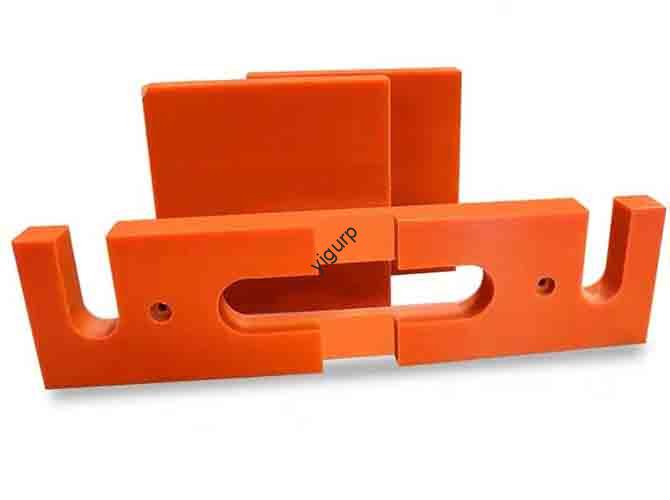
Resinas epoxi: valoradas por su alta resistencia, resistencia al calor, and chemical stability—have become a versatile option in 3impresión D, pero su idoneidad depende de la formulación, tecnología, y necesidades de aplicación. Para ingenieros, diseñadores, y fabricantes, comprender si el epoxi funciona para la impresión 3D, que tipos elegir, y cómo superar los desafíos es fundamental. This article answers the question “Is epoxy for 3D printing resin?” by breaking down key classifications, aplicaciones, comparisons to other resins, and practical selection tips.
1. Epoxy Resin for 3D Printing: Two Key Classifications
Epoxy isn’t a one-size-fits-all 3D printing material—it exists in two main forms, each tailored to specific technologies and use cases. Below is a detailed breakdown of their principles, propiedades, y aplicaciones.
1.1 Photosensitive Epoxy Resin
Principio:
Photosensitive epoxy resin cures rapidly when exposed to ultraviolet (ultravioleta) luz or a specific-wavelength laser. It contains photoinitiators (p.ej., active diluents, photosensitizers) that trigger free radical or cationic polymerization reactions under light, transforming liquid resin into a solid, structured part.
Propiedades clave:
- Alta precisión: Resolves fine details (hasta 0.02 milímetros), making it ideal for intricate models.
- Low shrinkage: Volume change during curing is <2%, ensuring dimensional stability for tight-tolerance parts.
- Resistencia al calor superior: Withstands temperatures up to 150°C (vs. 80–120°C for ordinary acrylic resins).
Application Scenarios:
Dental prosthetics (coronas, puentes), prototipos de joyería, precision industrial components (engranajes pequeños, carcasas de sensores), and architectural models.
1.2 Thermosetting Epoxy Resin
Principio:
Thermosetting epoxy resin requires heat or chemical curing agents (p.ej., amines, anhydrides) endurecerse. It undergoes cross-linking reactions that form a rigid, durable structure—often used in modified formulations for DLP (Procesamiento de luz digital) o SLA (Estereolitografía) tecnologías.
Propiedades clave:
- Exceptional mechanical strength: Tensile strength up to 80 MPa (higher than most 3D printing resins), suitable for load-bearing parts.
- Strong chemical resistance: Resiste los ácidos, álcalis, y solventes (p.ej., mineral oils, alcoholes).
- Slower curing speed: Needs longer exposure times (5–15 minutes per layer) or post-heating (80–120°C) to fully cure.
Application Scenarios:
Industrial mold inserts, componentes aeroespaciales (soportes ligeros), high-pressure valve parts, and corrosion-resistant equipment housings.
2. Epoxy vs. Other Common 3D Printing Resins: A Side-by-Side Comparison
To highlight epoxy’s advantages and limitations, here’s a detailed comparison with two other mainstream 3D printing resins: acrylic and polyurethane.
| Property Category | Resina epoxídica | Acrylic Resin | Polyurethane Resin | Key Takeaway |
| Curing Method | Photosensitive (UV/laser) or thermoset (heat/curing agents) | Photosensitive (UV/laser) solo | Photosensitive or thermoset | Epoxy offers the most curing flexibility. |
| Resistencia al calor | Alto (up to 150°C+) | Medio (80–120°C) | Bajo (60–100°C) | Epoxy is best for high-temperature applications. |
| Resistencia mecánica | Alto (rígido, 60–80 MPa tensile strength) | Medio (flexible, 30–50 MPa) | Bajo (elástico, 15–30MPa) | Epoxy excels at load-bearing or structural parts. |
| Resistencia química | Excelente (resiste los ácidos, álcalis, disolventes) | Justo (resists mild solvents only) | Pobre (susceptible to solvent attack) | Epoxy is ideal for harsh chemical environments. |
| Shrinkage Rate | Bajo (<2%) | Medio (2–4%) | Alto (4–6%) | Epoxy delivers better dimensional stability. |
| Applicable Technologies | DLP, SLA, thermoset molding | DLP, SLA only | DLP, SLA, TPU special technologies | Epoxy works with more industrial processes. |
3. Challenges of Using Epoxy Resin for 3D Printing & Soluciones
While epoxy is highly capable, it faces unique hurdles in 3D printing. Below are common issues and proven solutions to ensure successful prints.
| Desafío | Impact on Printing | Practical Solutions |
| Photosensitive Epoxy: Dedicated Equipment Requirement | Standard FDM printers can’t use photosensitive epoxy; requires DLP/SLA machines with UV light sources. | Invest in entry-level DLP printers (\(500–)2,000) for small-scale projects; use industrial SLA machines for high-precision parts. |
| Residue & Safety Risks | Uncured epoxy sticks to skin and may cause irritation; leftover resin can contaminate prints. | – Wear nitrile gloves and safety goggles when handling uncured resin.- Clean prints with isopropyl alcohol (95%+) to remove residue.- Cure leftover resin with UV light before disposal. |
| Thermosetting Epoxy: Long Curing Times | Slow layer curing (5–15 minutos) increases total print time; incomplete curing weakens parts. | – Use a heated build platform (80–100°C) to speed up cross-linking.- Perform post-curing: Bake parts at 120°C for 1–2 hours to ensure full hardness. |
| Curing Shrinkage (termoestable) | Uneven shrinkage causes warping or cracking in large parts. | – Design parts with uniform wall thickness (3–5 milímetros) to reduce stress.- Add support structures for overhangs (>45°) to prevent deformation. |
4. How to Choose the Right Epoxy Resin for 3D Printing?
Selecting epoxy resin depends on three core factors: solicitud, precision needs, y condiciones ambientales. Follow this step-by-step guide:
Paso 1: Define Your Application Type
- Alta precisión, partes detalladas (p.ej., dental molds, joyas): Elegir photosensitive epoxy resin (baja contracción, high detail resolution).
- Industrial structural parts (p.ej., soportes aeroespaciales, moldes): Elegir thermosetting epoxy resin (alta resistencia, resistencia química).
Paso 2: Consider Special Requirements
- Transparency needed (p.ej., guías de luz, display parts): Optar por modified transparent epoxy resin (90%+ transmitancia de luz).
- Flexibility needed (p.ej., juntas, soft connectors): Usar epoxy-polyurethane hybrid resin (combines epoxy’s strength with polyurethane’s flexibility).
- High-temperature resistance needed (p.ej., componentes del motor): Seleccionar high-heat epoxy resin (withstands 180°C+ after post-curing).
Paso 3: Match Resin to Technology
- DLP/SLA printers: Use photosensitive epoxy resin (ensure compatibility with the printer’s UV wavelength, típicamente 405 Nuevo Méjico).
- Thermoset molding equipment: Use thermosetting epoxy resin (pair with curing agents suitable for your heating setup).
5. Yigu Technology’s Perspective on Epoxy Resin for 3D Printing
En Yigu Tecnología, we see epoxy as a “high-performance workhorse” for 3D printing—but it’s often overspecified. Many clients choose thermosetting epoxy for simple prototypes when photosensitive epoxy (or even acrylic resin) would work, increasing costs by 30–50%. Our advice: Start with photosensitive epoxy for most precision needs (p.ej., modelos dentales) and reserve thermosetting epoxy for load-bearing industrial parts. We also help optimize processes—for a recent client’s aerospace brackets, adjusting post-curing temperature to 110°C improved epoxy’s heat resistance by 20% without warping. For clients needing transparency, we recommend our modified epoxy resin (92% transmitancia) over acrylic, as it retains strength in high temperatures. Ultimately, epoxy’s value lies in matching its properties to your project’s unique needs—not just choosing the “strongest” option.
Preguntas frecuentes: Common Questions About Epoxy for 3D Printing Resin
- q: Can I use epoxy resin in a standard FDM 3D printer?
A: No. FDM printers rely on melting thermoplastics, but epoxy (whether photosensitive or thermoset) doesn’t melt—it cures via light or chemical reactions. Epoxy requires DLP/SLA printers (for photosensitive) or thermoset molding equipment (for thermosetting).
- q: Is photosensitive epoxy resin more expensive than acrylic resin?
A: Yes—photosensitive epoxy costs 20–40% more than standard acrylic resin (p.ej., \(80–)120 per liter vs. \(50–)80 for acrylic). Sin embargo, its lower shrinkage and higher strength justify the cost for precision or functional parts.
- q: How long does thermosetting epoxy resin take to fully cure for 3D printed parts?
A: It depends on post-processing: With a heated build platform (100°C), layer curing takes 5–10 minutes; adding a post-cure bake (120°C para 2 horas) ensures full hardness. Total time for a small part (5cm × 5cm) is typically 1–2 hours, vs. 30–60 minutes for photosensitive epoxy.