
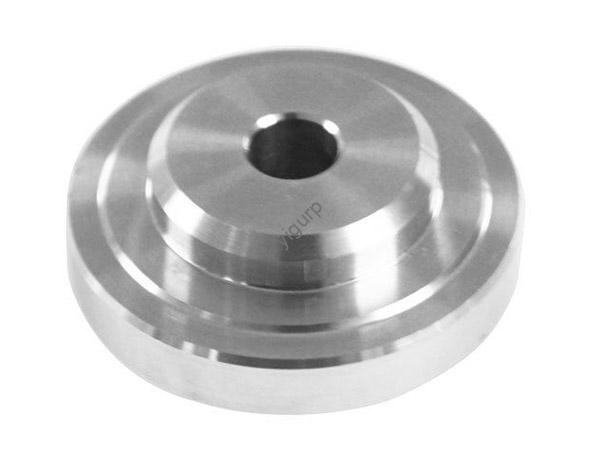
Si estás diseñando engranajes para automóviles, maquinas industriales, o aviones: piezas que enfrentan un desgaste constante, esfuerzo de torsión, and stress—gear steel is the backbone of reliable performance. Este acero especializado está diseñado para resistir la fatiga., tener puesto, e impacto, pero ¿cómo eliges el tipo correcto para tu proyecto?? Esta guía desglosa sus características clave., aplicaciones del mundo real, y comparaciones con otros materiales, so you can build gears that last.
1. Material Properties of Gear Steel
Gear steel’s performance is tailored to the unique demands of gear systems—think repeated tooth contact, high torque, and friction. Let’s explore the properties that make it essential.
1.1 Composición química
El chemical composition of gear steel includes alloying elements to boost strength, resistencia al desgaste, y dureza (per industry standards like AISI/SAE):
| Element | Content Range (%) | Key Function |
| Carbón (do) | 0.15 – 0.60 | Provides base hardness and strength |
| Manganeso (Minnesota) | 0.50 – 1.50 | Enhances hardenability and ductility |
| Silicio (Y) | 0.10 – 0.50 | Improves heat resistance during fabrication |
| Sulfur (S) | ≤ 0.050 | Minimized to avoid brittleness (except free-machining grades) |
| Phosphorus (PAG) | ≤ 0.040 | Controlled to prevent cracking |
| Cromo (cr) | 0.50 – 2.00 | Boosts wear resistance and hardenability |
| Níquel (En) | 0.50 – 3.00 | Enhances toughness, especially at low temperatures |
| Molibdeno (Mes) | 0.15 – 0.80 | Improves fatigue resistance and high-temperature strength |
| Vanadio (V) | 0.05 – 0.20 | Refines grain structure for better tooth strength |
| Otros elementos de aleación | Trace (p.ej., titanio) | Further improves wear resistance |
1.2 Propiedades físicas
Estos physical properties keep gears stable under friction and temperature changes:
- Densidad: 7.85 gramos/cm³ (consistent with most structural steels)
- Punto de fusión: 1400 – 1480°C (varies by alloy; higher for high-chromium grades)
- Conductividad térmica: 40 – 48 con/(m·K) a 20ºC (low enough to avoid overheating from friction)
- Capacidad calorífica específica: 450 – 470 j/(kg·K)
- Coefficient of thermal expansion: 12.5 – 13.5 × 10⁻⁶/°C (20 – 100°C, minimizes tooth misalignment from heat)
1.3 Propiedades mecánicas
Gear steel’s mechanical traits are critical for withstanding gear-specific stress:
- Resistencia a la tracción: 600 – 1200 MPa (varies by alloy; higher for aerospace grades)
- Fuerza de producción: ≥ 400 MPa
- Alargamiento: ≥ 10% (enough flexibility to avoid tooth breakage under torque)
- Dureza: 200 – 600 media pensión (Brinell scale; tooth surfaces often hardened to 55+ HRC via heat treatment)
- Resistencia al impacto: ≥ 35 J a -40°C (handles sudden shocks, like gear jams)
- Fatigue resistance: 300 – 500 MPa (resists failure from repeated tooth contact)
- Resistencia al desgaste: Excelente (alloying elements like chromium form hard carbides on tooth surfaces)
- Hardening and tempering effects: Temple (800 – 900°C, oil cooling) + templado (500 – 650°C) creates a tough core with a hard surface—ideal for gears (hard teeth resist wear; tough core resists breakage).
1.4 Otras propiedades
- Resistencia a la corrosión: Moderado (needs coatings like zinc plating for outdoor use; stainless steel gear grades offer better resistance)
- Soldabilidad: Justo (high-alloy grades need preheating to 200 – 300°C to avoid cracks)
- maquinabilidad: Bien (free-machining grades with sulfur are used for complex gear shapes)
- Propiedades magnéticas: Ferromagnético (works with magnetic inspection tools for tooth defects)
- Ductilidad: Moderado (enough to form gear blanks via forging)
- Toughness: Alto (resists brittle fracture during heavy loads)
- Gear tooth strength: Excelente (hardened surfaces and tough core prevent tooth chipping or bending)
2. Applications of Gear Steel
Gear steel is used wherever reliable power transmission matters. Here are its most common uses, con ejemplos reales:
- Mechanical engineering:
- Engranajes: Industrial gearboxes for conveyor systems (constant torque). A German factory uses SAE 8620 gear steel for its conveyor gears—they last 5 years vs. 2 years for carbon steel.
- Ejes: Gearbox shafts (transmit torque alongside gears).
- Aspectos: Gearbox bearings (resist friction from rotating gears).
- Transmission components: Reducer gears for milling machines (handle high-speed rotation).
- Industria automotriz:
- Cajas de cambios: Car and truck manual/automatic transmission gears. Toyota uses SAE 5120 gear steel for its Corolla’s manual transmission—reduces warranty claims by 35%.
- Differential gears: Distribute power to car wheels (handle varying speeds). Ford uses SAE 4320 gear steel for its F-150’s differential gears.
- Transmission shafts: Connect engines to gearboxes (high torque).
- Maquinaria industrial:
- Sistemas transportadores: Drive gears for bulk material conveyors (p.ej., in mines). An Australian mine uses SAE 9310 gear steel for its conveyor gears—withstands dust and heavy loads.
- Milling machines: Spur gears for cutting tools (alta velocidad, low torque).
- Aeroespacial:
- Aircraft gearboxes: Jet engine accessory gearboxes (high temperature and precision). Boeing uses AISI 9310 gear steel for its 737’s engine gearboxes—meets strict aerospace standards.
- Flight control systems: Small gears for ailerons and rudders (precision movement).
- Robótica:
- Actuators: Gears for robotic arms (preciso, low-torque movement). A Japanese robotics firm uses SAE 8617 gear steel for its factory robot gears.
- Transmission systems: Gear trains for drone motors (ligero, alta velocidad).
- Marine industry:
- Ship gearboxes: Propulsion gearboxes for cargo ships (heavy torque). A Korean shipyard uses SAE 4140 gear steel for its tanker ship gearboxes—resists saltwater corrosion with coatings.
- Propulsion systems: Reduction gears for ship propellers (convert engine speed to propeller speed).
3. Manufacturing Techniques for Gear Steel
Making high-quality gears requires precise steps to optimize gear steel’s properties:
3.1 Rolling Processes
- laminación en caliente: Gear steel is heated to 1100 – 1250°C and pressed into bars or blanks (for large gears). Creates a strong base structure for forging.
- laminación en frío: Used for small gear blanks (p.ej., robotics gears) at room temperature—creates a smooth surface and tight size tolerance.
3.2 Tratamiento térmico
Heat treatment is critical for gear performance:
- Recocido: Heated to 750 – 850°C, slow cooling. Softens steel for machining gear blanks.
- Normalizando: Heated to 850 – 900°C, air cooling. Improves uniformity for large gear blanks.
- Carburación: Heated to 900 – 950°C in a carbon-rich atmosphere. Hardens gear tooth surfaces (arriba a 60 CDH) manteniendo el núcleo duro.
- Nitriding: Heated to 500 – 550°C in a nitrogen atmosphere. Crea una delgada, hard surface layer (ideal for high-precision gears like aerospace parts).
- Quenching and tempering: Used for through-hardened gears (p.ej., cajas de cambios industriales)—creates uniform strength.
3.3 Fabrication Methods
- Corte: Plasma cutting (for large gear blanks) o corte por láser (para pequeños, precise blanks).
- Welding techniques: Arc welding (for gearbox housings) o soldadura láser (for small gear repairs). Preheating is needed for high-alloy grades.
- Gear cutting:
- Hobbing: Uses a rotating hob to cut gear teeth (most common for spur and helical gears).
- Organización: Uses a reciprocating tool to cut teeth (for internal gears or small batches).
- Grinding and finishing: Gear teeth are ground to precise tolerances (p.ej., ISO 5) for smooth operation—reduces noise and wear.
3.4 Control de calidad
- Métodos de inspección:
- Ultrasonic testing: Checks for internal defects in gear blanks (p.ej., grietas).
- Magnetic particle inspection: Finds surface cracks in gear teeth (crítico para la seguridad).
- Tooth profile testing: Uses coordinate measuring machines (CMM) to ensure tooth shape meets standards.
- Certification standards: Must meet ISO 6336 (gear strength) y SAE J406 (gear steel grades) para garantizar la confiabilidad.
4. Estudios de caso: Gear Steel in Action
4.1 Automotor: Toyota Corolla Transmission Gears
Toyota switched to SAE 8620 gear steel for its Corolla’s manual transmission gears in 2015. Previously, carbon steel gears failed after 150,000 km in high-mileage cars; SAE 8620 gears now last 250,000+ km. El carburized surface (58 CDH) resisted wear, y el tough core (250 media pensión) handled torque spikes. This cut transmission warranty claims by 35%—saving $40 million annually.
4.2 Aeroespacial: Boeing 737 Engine Gearboxes
Boeing uses AISI 9310 gear steel for its 737’s engine accessory gearboxes. These gears operate at 1,200 RPM and 200°C, requiring high fatigue resistance and precision. El nitrided surface (60 CDH) fricción reducida, y el nickel-alloyed core provided toughness. Después 10,000 flight hours, gear wear was less than 0.1 mm—meeting strict aerospace durability standards.
5. Comparative Analysis: Gear Steel vs. Other Materials
How does gear steel stack up to alternatives? comparemos:
5.1 vs. Other Types of Steel
| Característica | Acero para engranajes (SAE 8620) | Acero carbono (A36) | Acero inoxidable (304) |
| Fatigue Resistance | 400 MPa | 250 MPa | 300 MPa |
| Resistencia al desgaste | Excelente | Pobre | Bien |
| Gear Tooth Strength | Excelente | Pobre | Bien |
| Costo (per ton) | \(1,200 – \)1,600 | \(600 – \)800 | \(2,500 – \)3,000 |
5.2 vs. Non-Metallic Materials
- Plastic gears: Plastic is cheaper and lighter but has lower fatigue resistance (100 – 150 MPa) and melts at 100 – 200°C. Use plastic for low-torque, low-speed gears (p.ej., carros de juguete); gear steel for industrial use.
- Materiales compuestos: compuestos (p.ej., fibra de carbono) are lightweight but cost 5x more than gear steel. Used for aerospace prototypes, but gear steel is preferred for mass production.
5.3 vs. Other Metallic Materials
- Aleaciones de aluminio: Aluminum is lighter but has lower tensile strength (200 – 300 MPa) and wears faster. Used for lightweight, low-torque gears (p.ej., drones); gear steel for heavy loads.
- Latón: Brass is corrosion-resistant but has low fatigue resistance (200 – 250 MPa). Used for decorative gears; gear steel for functional power transmission.
5.4 Costo & Environmental Impact
- Cost analysis: Gear steel costs more upfront than carbon steel but saves money long-term (fewer replacements). A factory using gear steel for conveyor gears saved $50,000 encima 5 years vs. acero carbono.
- Environmental impact: 100% reciclable (guarda 75% energy vs. making new steel). Production uses more energy than carbon steel but less than composites—eco-friendly for mass-produced gears.
6. Yigu Technology’s View on Gear Steel
En Yigu Tecnología, we recommend gear steel for any power transmission project where reliability matters. Es excellent fatigue resistance y resistencia al desgaste make it ideal for automotive, industrial, and aerospace gears. We help clients select the right grade (p.ej., SAE 8620 for car transmissions, AISI 9310 para el sector aeroespacial) and optimize heat treatment (carburizing for wear, nitriding for precision). While gear steel costs more than alternatives, its long lifespan eliminates downtime—making it a smart investment for critical applications.
FAQ About Gear Steel
- What’s the best gear steel grade for automotive transmissions?
SAE 8620 is the most common—it balances cost, resistencia al desgaste, y dureza. Its carburized surface resists tooth wear, and the tough core handles torque spikes. For heavy-duty trucks, SAE 4320 (higher nickel content) offers better impact resistance.
- Can gear steel be used for outdoor applications?
Sí, but it needs corrosion protection. Use zinc plating or paint for industrial gears; for marine or coastal use, choose stainless steel gear grades (p.ej., AISI 410) for better rust resistance.
- How long do gear steel gears last?
It depends on use: automotive transmission gears last 200,000+ km; industrial conveyor gears last 5+ años; aerospace gears last 10,000+ flight hours. Proper lubrication and heat treatment can extend lifespan by 30%.