
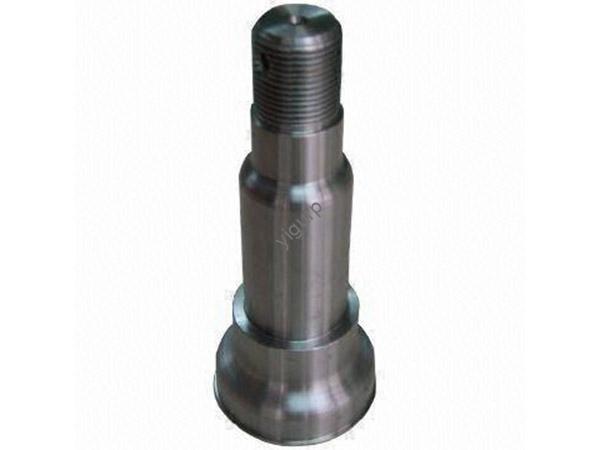
If you work in industries like automotive or construction, you know how critical it is to choose the right material. EN S700MC cold forming steel stands out as a top choice for high-strength, lightweight projects. This article breaks down its key propiedades de los materiales, best cold forming processes, common aplicaciones, and how it compares to other materials—with real examples to help you make informed decisions.
1. Key Material Properties of EN S700MC Cold Forming Steel
EN S700MC is part of the EN 10149-2 estándar, designed specifically for cold forming. Its properties make it ideal for structures that need both strength and flexibility. Below is a detailed breakdown of its most important characteristics:
| Propiedad | Typical Value | Why It Matters |
| Yield Strength | ≥700 MPa | Prevents permanent deformation under heavy loads (critical for structural parts). |
| Resistencia a la tracción | 740–900 MPa | Handles high pulling forces without breaking (ideal for load-bearing components). |
| Elongation | ≥12% (A80mm) | Allows cold forming without cracking (essential for bending or stamping). |
| Dureza | ~260 HB | Resists wear and tear (good for parts exposed to friction). |
| Ductility | Alto | Bends easily during processing while maintaining strength. |
| Fatigue Resistance | Excelente | Withstands repeated stress (perfect for automotive suspension parts). |
| Resistencia a la corrosión | Moderado | Needs coating (like galvanizing) for outdoor use (p.ej., vigas de construcción). |
| Soldabilidad | Bien | Joins well with common welding methods (saves time in manufacturing). |
| Conductividad térmica | 45 W/(m·K) | Dissipates heat slowly (suitable for parts that don’t need rapid cooling). |
| Electrical Conductivity | Bajo | Reduces electrical interference (safe for electronics-related components). |
Real Case: A European automotive manufacturer used EN S700MC for truck chassis. Its high yield strength y ductilidad allowed the chassis to be 15% lighter than those made with traditional steel, improving fuel efficiency without sacrificing safety.
2. Best Cold Forming Processes for EN S700MC
EN S700MC’s ductility and strength make it compatible with most cold forming methods. Here are the most effective processes, with use cases:
- Estampado: Ideal for high-volume parts like automotive body panels. A German auto parts supplier uses stamping to make EN S700MC door frames—producing 10,000 units per day with consistent quality.
- Doblar: Perfect for creating angles or curves (p.ej., construction brackets). A Dutch construction firm bends EN S700MC into L-shaped supports for bridges; the steel’s elongation prevents cracking during bending.
- Roll Forming: Great for long, uniform parts like roof rails. A Swedish furniture brand uses roll forming to make EN S700MC rails for office desks—achieving precise shapes with minimal waste.
- Puñetazos: Used to add holes or cutouts (p.ej., electrical enclosures). An Italian electronics company punches EN S700MC to make server racks; the steel’s hardness ensures clean cuts.
- Cold Forging: Suitable for complex, piezas de alta resistencia (p.ej., componentes del motor). A Japanese machinery maker cold forges EN S700MC into gear shafts—its resistencia a la tracción ensures durability under high torque.
3. Top Applications of EN S700MC Cold Forming Steel
EN S700MC’s unique mix of strength and formability makes it popular across industries. Here are its most common uses, with examples:
- Automotor: Used for chassis, suspension arms, and crash structures. Volvo uses EN S700MC in its electric SUVs—its resistencia a la fatiga helps the suspension last longer, even on rough roads.
- Construcción: Applied to beams, columns, and modular building parts. A UK construction company used EN S700MC for a high-rise apartment’s floor beams; the steel’s yield strength allowed thinner beams, increasing interior space.
- Equipos industriales: Made into forklift frames and conveyor belts. A German logistics firm uses EN S700MC for forklift bodies—its soldabilidad made assembling the frames 20% faster than with other steels.
- Aeroespacial: Used for lightweight structural parts (p.ej., componentes de la bodega de carga). A French aerospace supplier uses EN S700MC for airplane cargo rails—its high strength-to-weight ratio reduces the plane’s overall weight.
- Accesorios: Made into washing machine drums and refrigerator frames. A Korean appliance brand uses EN S700MC for washing machine drums; its resistencia a la corrosión (with a stainless coating) prevents rust from water.
4. Manufacturing Techniques to Optimize EN S700MC Use
To get the most out of EN S700MC, pair it with the right manufacturing techniques. Here are the most effective ones:
- Mecanizado de precisión: Ensures tight tolerances (p.ej., for automotive parts). A Swiss precision shop uses CNC machining to shape EN S700MC into engine valves—achieving a tolerance of ±0.01mm.
- Corte por láser: Makes clean, precise cuts without heat damage. A US metal fabricator uses laser cutting to cut EN S700MC sheets for solar panel frames; the process reduces waste by 10% compared to plasma cutting.
- Tratamiento térmico: Can enhance specific properties (p.ej., increasing hardness). A Chinese manufacturer heat-treats EN S700MC for mining equipment parts—boosting its hardness por 15% to resist abrasion.
- Tratamiento superficial: Mejora la resistencia a la corrosión. A Canadian construction firm galvanizes EN S700MC beams for outdoor use—extending their lifespan from 10 a 25 años.
- 3Impresión D: Used for small, complex prototypes. A Finnish R&D team 3D prints EN S700MC prototypes for new automotive parts—cutting prototype development time from 4 semanas para 1 semana.
5. Comparative Analysis: EN S700MC vs. Other Materials
How does EN S700MC stack up against other common materials? Below is a simple comparison to help you choose:
| Material | Fortaleza (Yield) | Weight (Densidad) | Costo | Mejor para |
| EN S700MC Steel | 700 MPa | 7.85 gramos/cm³ | Moderado | Alta resistencia, cost-effective parts |
| Aluminio | 200 MPa | 2.7 gramos/cm³ | Alto | Ultra-light parts (p.ej., airplane bodies) |
| Acero inoxidable | 300 MPa | 7.9 gramos/cm³ | muy alto | Corrosion-prone parts (p.ej., marine use) |
| Carbon Steel | 400 MPa | 7.85 gramos/cm³ | Bajo | Piezas de baja tensión (p.ej., simple brackets) |
| Plástica | 50 MPa | 1.2 gramos/cm³ | Bajo | Non-structural parts (p.ej., plastic clips) |
Ejemplo: A US truck manufacturer compared EN S700MC to aluminum for chassis. EN S700MC was 30% cheaper and had higher yield strength, so they chose it—saving $500 per truck while keeping the chassis strong.
Yigu Technology’s Perspective on EN S700MC Cold Forming Steel
En Yigu Tecnología, we’ve worked with EN S700MC for years in automotive and construction projects. Its balance of fortaleza, ductilidad, y soldabilidad makes it a go-to for clients needing lightweight, piezas duraderas. We often recommend it for projects where traditional steel is too heavy or aluminum is too costly. Our team uses precision machining and laser cutting to maximize EN S700MC’s potential, ensuring clients get parts that meet strict quality standards. For anyone looking to improve product performance while controlling costs, EN S700MC is a reliable choice.
Preguntas frecuentes
- What is the main advantage of EN S700MC over regular carbon steel?
EN S700MC has much higher yield strength (≥700 MPa vs. ~400 MPa for regular carbon steel) while maintaining good ductility. This means it can make parts lighter and stronger, which is key for industries like automotive and construction.
- Can EN S700MC be used outdoors?
Sí, but it has moderate resistencia a la corrosión. To use it outdoors (p.ej., vigas de construcción), you’ll need to add a surface treatment like galvanizing or painting to prevent rust.
- What cold forming process is best for small-batch EN S700MC parts?
Para lotes pequeños, doblando o puñetazos es ideal. These processes are easy to set up and don’t require expensive tooling, making them cost-effective for low-volume projects (p.ej., custom brackets).