
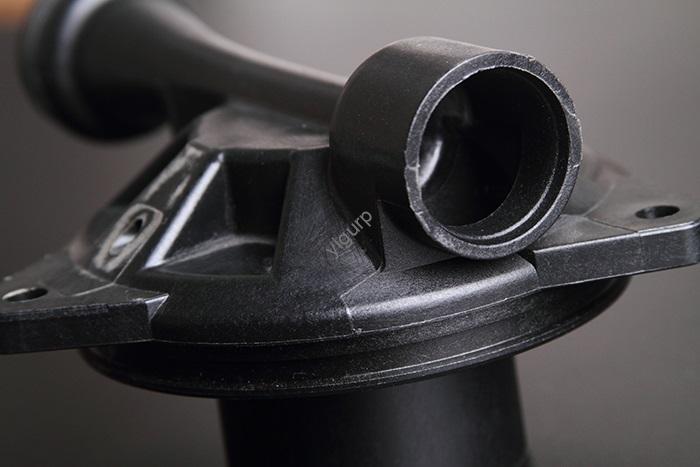
Si buscas crear prototipos impresos en 3D con un diseño elegante, mirada profesional, Quizás te preguntes si la resina negra es una opción viable.. La respuesta es un rotundo sí.! La resina negra no sólo es una opción popular sino también un material excelente para muchos proyectos de prototipos., ofreciendo una combinación única de estética y funcionalidad. Let’s explore why and how to use black resin effectively for 3D printing prototypes.
Why Black Resin Works Great for 3D Printed Prototypes
Black resin brings several key advantages that make it stand out for prototype printing, especially when appearance and detail matter.
- Exceptional surface smoothness is one of its biggest strengths. Unlike some materials that show layer lines or rough patches, black resin prints with a naturally smooth finish that maintains its rich color. This makes it perfect for prototypes where a polished, professional look is essential, such as consumer product models or presentation pieces.
- Superior detail expressiveness helps showcase your design. Black resin excels at capturing even the smallest details, from tiny grooves and openings to raised textures. The dark color enhances contrast, making these details more visible and impressive in presentations or design reviews.
- Versatility across applications adds to its appeal. Whether you’re prototyping a small electronic component, una parte mecanica, o un elemento decorativo, black resin can adapt to various design needs while maintaining its visual impact.
Key Properties of Black Resin to Know
Understanding the properties of black resin helps you determine if it’s the right fit for your specific prototype project. Here are the most important characteristics:
- Photosensitive curing mechanism is fundamental. Black resin is a type of photosensitive resin, meaning it hardens when exposed to UV light – the same technology used in SLA (Estereolitografía) 3impresión D. This curing process allows for precise layer – por – layer construction, ensuring accurate reproduction of your 3D model.
- Structural precision for complex designs. Thanks to the light – proceso de curado, black resin can preserve intricate structural details with high accuracy. Whether your prototype has complex geometries, paredes delgadas, or detailed patterns, black resin can handle them without losing definition.
- Color consistency throughout the print. Unlike painted prototypes that may have uneven color or chip over time, black resin maintains its rich, uniform color from the inside out. This consistency is ideal for prototypes that need to accurately represent the final product’s appearance.
Choosing the Right Black Resin for Your Prototype
Not all black resins are identical, so selecting the right one depends on your prototype’s specific requirements. Here’s what to consider:
- Functional needs should guide your choice. Think about how your prototype will be used. If it needs to withstand stress or impacts, look for a black resin with high strength or high toughness properties. For purely visual prototypes, a standard black resin with excellent surface finish may be sufficient.
- Printer compatibility es esencial. Black resins are primarily designed for SLA 3D printers, which use UV light to cure the resin. Always check that the resin you choose is compatible with your printer’s wavelength and specifications to ensure proper curing and avoid printing issues.
- Material quality affects results. Alto – quality black resins have a smooth, consistent texture without particles or impurities, which can cause defects in your print. Investing in a reputable brand ensures better reliability and more professional – looking prototypes.
Applications Where Black Resin Excels
Black resin is particularly well – suited for certain types of prototype projects. Here are some scenarios where it shines:
- Detailed visual prototypes. When you need to showcase a design’s appearance with crisp details, black resin’s smooth surface and color contrast make it an excellent choice. It’s perfect for presenting concepts to clients or stakeholders.
- Structurally complex models. Prototypes with intricate features like internal channels, fine grooves, or delicate raised sections benefit from black resin’s ability to capture details precisely through the light – proceso de curado.
- Functional prototypes with aesthetic needs. If your prototype needs to be both functional and visually appealing, black resin delivers. It works well for parts like knobs, carcasas, or components where looks matter as much as performance.
- Bajo – volume production runs. In addition to prototypes, black resin can be used for small batches of end – use parts that require a professional finish without the cost of mass production tooling.
Cost Considerations for Black Resin Prototypes
While black resin offers great benefits, it’s important to factor in costs to ensure your project stays within budget.
- Material costs can vary. The price of black resin depends on factors like quality, marca, and specific properties (such as high strength or toughness). Generally, specialty black resins with enhanced properties cost more than standard ones.
- Service provider options. If you’re not printing in – house, working with a professional 3D printing service provider can help manage costs. They can advise on the most cost – effective resin for your needs and may offer bulk discounts for multiple prototypes.
- Correo – processing savings. Black resin’s smooth surface often reduces the need for extensive post – tratamiento, which can save time and money compared to materials that require heavy sanding or painting.
Correo – Processing Tips for Black Resin Prototypes
While black resin prints with a smooth finish, some post – processing can enhance your prototype’s appearance and performance:
- Sanding for perfection. A light sand with fine – grit sandpaper (800 – 1200 arena) can remove any minor layer lines and give the surface an even smoother finish. This step is especially useful if the prototype will be handled or displayed closely.
- Plating for added durability. For prototypes that need extra protection or a metallic look, plating can be applied over black resin. This not only enhances durability but also adds a premium finish for high – end presentations.
- Painting if needed. While black resin’s color is already rich, you can add accents or details with paint if required. Clean the surface with isopropyl alcohol first to ensure good paint adhesion.
How Black Resin Compares to Other Colored Resins
It’s helpful to see how black resin stacks up against other colored resins for prototype printing:
| Aspecto | Black Resin | Other Colored Resins |
| Detail Visibility | Alto (color contrast enhances details) | Varía (may require more light for detail visibility) |
| Suavidad de la superficie | Excelente | Bien, but may show imperfections more easily |
| Correo – Processing Needs | Mínimo (light sanding optional) | Similar, but color touch – ups may be needed |
| Mejor para | Aesthetic prototypes, diseños detallados | Color – specific prototypes, marca – matched parts |
- Black resin’s ability to enhance detail visibility through color contrast gives it an edge for prototypes where design details are a priority. It also tends to hide minor surface imperfections better than lighter colored resins.
Yigu Technology’s View
Black resin is a top – tier choice for 3D printed prototypes, especially when surface smoothness and detail expression matter. Its compatibility with SLA technology and ability to handle complex structures make it versatile for diverse projects. En Yigu Tecnología, we recommend selecting black resin based on functional needs, ensuring prototypes not only look professional but also meet performance requirements.
Preguntas frecuentes
- Is black resin suitable for structurally complex prototypes?
Sí, black resin excels at preserving intricate details like openings, surcos, and raised sections through light – curing 3D printing techniques, haciéndolo ideal para diseños complejos.
- What post – processing is needed for black resin prototypes?
Light sanding can enhance smoothness, while plating or painting are optional for added durability or customization. Black resin typically requires less post – processing than many other materials.
- How does black resin compare in cost to other resins?
Costs vary by quality and properties, but black resin is generally comparable to other specialty resins. Its reduced post – processing needs can help offset material costs in many projects.