
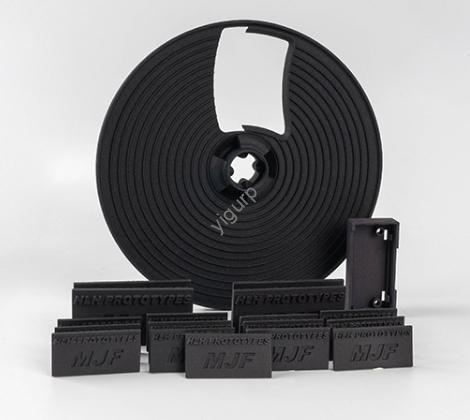
Si es ingeniero de producto y busca soluciones de producción flexibles, a (obtener) buscando reducir costos, o simplemente tienes curiosidad por saber cómo se destacan las hojas impresas en 3D: estás en el lugar correcto. A diferencia de los materiales planos tradicionales que limitan el diseño y el rendimiento, 3D printed sheets offer unique benefits: desde infinitas opciones de materiales hasta producción ecológica. Let’s break down their key advantages with real-world examples, datos, and tips to help you decide if they’re right for your project.
1. Material Diversity: Choose Exactly What Your Project Needs
One of the biggest pain points with traditional sheets? Limited material options that force you to compromise on performance. 3D printed sheets fix this by offeringthousands of material choices—each customizable to match your project’s unique needs.
Key Material Benefits:
- Wide Range of Options: From everyday plastics (like PLA and ABS) to high-performance metals (such as titanium and aluminum), and even specialty materials like chocolate or biodegradable polymers. Por ejemplo, a construction company in Dubai used3D printed concrete sheets to build a low-cost housing complex—these sheets were stronger than traditional concrete and set 50% más rápido.
- Performance Customization: Need a sheet that resists high heat? Pick a heat-resistant polymer like PEEK. Working in a chemical plant? Choose a corrosion-resistant material like stainless steel. A aerospace supplier used3D printed titanium sheets for airplane interior panels—these sheets can handle temperatures from -50°C to 150°C, something traditional aluminum sheets can’t match.
| Tipo de material | Common Use Case | Key Advantage Over Traditional Sheets |
|---|---|---|
| PLA/ABS Plastics | Bienes de consumo (p.ej., contenedores de almacenamiento) | Cheaper to prototype; 30% encendedor |
| Titanio | Paneles aeroespaciales | A prueba de calor; 40% más fuerte |
| Concreto | Construction walls | Faster setting; 20% less material waste |
| Biodegradable Polymers | Disposable packaging | Respetuoso del medio ambiente; breaks down in 6 meses |
2. Process Innovation: Print Sheets That Fit Your Exact Design
Traditional sheet manufacturing (like extrusion or molding) often limits you to simple, flat shapes. 3D printing changes this withmultiple specialized techniques—each designed to create sheets with unique features, from high resolution to fast production.
Top 3D Printing Techniques for Sheets:
- Estereolitografía (SLA): Perfect for sheets that need fine details, like decorative panels or medical device components. A furniture designer used SLA to print3D decorative sheets with intricate patterns—these sheets were impossible to make with traditional carving, and production time dropped from 2 semanas para 2 días.
- Sinterización selectiva por láser (SLS): Great for plastic sheets that need durability. An auto parts maker used SLS to print3D plastic sheets for car door panels—these sheets were 25% lighter than traditional ones and could withstand 10,000+ opening/closing cycles without cracking.
- Fusión selectiva por láser (SLM): Ideal for metal sheets that require strength, like industrial machine parts. A manufacturing plant used SLM to print3D stainless steel sheets for machine guards—these sheets resisted rust in a wet factory environment, unlike traditional steel sheets that needed monthly maintenance.
Quick Tip for Product Engineers:
When choosing a technique, ask: Does my sheet need detail (go SLA), durabilidad (go SLS), o fuerza (go SLM)? This simple question will save you time and money.
3. Amplia gama de aplicaciones: Use 3D Printed Sheets Across Industries
Traditional sheets are often limited to one or two industries. 3D printed sheets, though? They shine inaeroespacial, automotor, construcción, y más—solving unique problems in each sector.
Real-World Industry Examples:
- Aeroespacial: Boeing uses3D printed aluminum sheets for airplane wing components. These sheets are 30% lighter than traditional aluminum, which saves 400 gallons of fuel per plane per year.
- Automotor: Ford printed3D plastic sheets for truck bed liners. The sheets are flexible (so they don’t crack when loading heavy items) y costo 15% less to produce than traditional liners.
- Construcción: A U.S.-based company printed3D concrete sheets for a school building. The sheets were prefabricated (so on-site construction time dropped by 60%) y usado 25% less concrete than traditional building methods.
4. Environmental Adaptability: Sheets That Survive Harsh Conditions
Ever had a sheet fail because of extreme heat, cold, o productos químicos? 3D printed sheets are built to handletough environments—thanks to customizable materials and printing parameters.
Two Key Adaptability Features:
- Resistencia a la temperatura: A solar panel company used3D printed heat-resistant sheets for panel frames. These sheets stay stable in 120°C (248°F) sunlight, while traditional plastic frames melt at 80°C (176°F).
- Resistencia a la corrosión: A chemical plant replaced traditional steel sheets with3D printed stainless steel sheets for storage tanks. The 3D printed sheets haven’t rusted in 3 años, while traditional steel sheets needed replacement every 6 meses.
5. Rentabilidad: Save Money on Materials and Time
For 采购员 (procurers) y dueños de negocios, cost is always top of mind. 3D printed sheets deliver savings in two big ways: less material waste yfaster prototyping.
Cost-Saving Breakdown:
- Reduced Material Waste: Traditional sheet manufacturing cuts material from a block (wasting up to 50% de la materia). 3D printing is additive—so it only uses the material needed, wasting just 5–10%. Por ejemplo, a company making plastic sheets saved $10,000 per month on material costs by switching to 3D printing.
- Faster Prototyping: Need a sample sheet? Traditional methods take 2–3 weeks and cost $500+. 3D printing makes a sample in 1–2 days for under $100. A startup used this to test 8 sheet designs in a month—something that would have taken 6 months with traditional prototyping.
| Cost Factor | Traditional Sheets | 3D Printed Sheets | Ahorros |
|---|---|---|---|
| Desperdicio de materiales | 30–50% | 5–10% | 25–45% less waste |
| Prototyping Time | 2–3 semanas | 1–2 días | 80–90% faster |
| Prototyping Cost | $500–$1,000 per sample | $50–$100 per sample | 80–90% cheaper |
Yigu Technology’s Perspective on 3D Printed Sheets
En Yigu Tecnología, we see 3D printed sheets as a bridge between design creativity and real-world functionality. For our clients—whether they’re aerospace engineers or construction companies—these sheets solve pain points: from reducing material waste to creating parts that survive harsh environments. We often help clients pick the right material and technique, turning their “impossible” sheet ideas into reality. As 3D printing tech advances, we’re excited to see even more industries adopt these sheets to save time, dinero, and resources.
Preguntas frecuentes:
- Are 3D printed sheets as strong as traditional sheets?
Yes—if you choose the right material! Por ejemplo, 3D printed titanium sheets are stronger than traditional aluminum sheets, and 3D printed concrete sheets are stronger than traditional concrete. Just match the material to your strength needs. - How long does it take to print a 3D sheet?
It depends on size and technique. A small plastic sheet (8×10 pulgadas) takes 4–6 hours with SLA. A large concrete sheet (4×8 pies) takes 12–24 hours with industrial 3D printers. Traditional sheets take longer for custom designs—often 1–2 weeks. - Can 3D printed sheets be recycled?
Many can! Plastic 3D printed sheets (like PLA) are biodegradable or recyclable. Metal sheets (like aluminum or stainless steel) can be melted down and reused—just like traditional metal sheets. Always check with your material supplier for recycling guidelines.