
Our Acrylonitrile Butadiene Styrene ABS Injection Molding Services
Elevate your production with Yigu Technology’s premium Acrylonitrile Butadiene Styrene (ABS) Injection Molding services—where impact resistance, durability, and customizability meet. Leveraging advanced machinery, precision molding, and tailored tooling, we deliver high-quality ABS parts for automotive, electronics, consumer goods, and more—combining cost-effectiveness with the aesthetic appeal your products deserve.
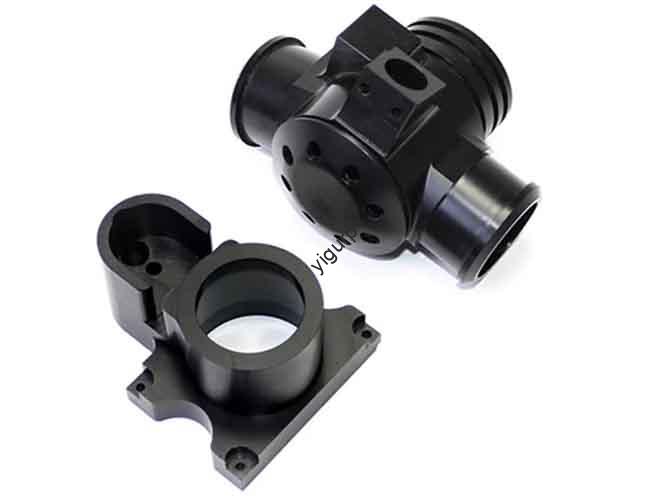
What Is Acrylonitrile Butadiene Styrene (ABS) Injection Molding?
Acrylonitrile Butadiene Styrene (ABS) is a widely used thermoplastic polymer blend, composed of three monomers: acrylonitrile (for chemical resistance and rigidity), butadiene (for impact strength and toughness), and styrene (for processability and aesthetic appeal). Injection molding is a manufacturing process that melts plastic pellets, injects the molten material into a custom mold cavity, cools it, and ejects the finished part. Together, ABS injection molding produces robust, versatile components that balance performance and visual appeal—making it a top choice for industries demanding both durability and design flexibility.
Key Definitions & Process Overview
| Term | Definition |
| Acrylonitrile Butadiene Styrene (ABS) | A thermoplastic blend with balanced rigidity, toughness, and processability; available in various grades for diverse applications. |
| Injection Molding | A cyclic mass-production process: ABS pellets → melted → injected into mold → cooled → ejected (repeats for consistent, high-volume output). |
| Mold Cavity | The hollow space in a mold that shapes the final ABS part; can have 1–64 cavities (depending on part size) for efficient production. |
Material Properties of ABS
ABS’s unique monomer blend gives it a rare combination of traits that make it ideal for injection molding. Below are the most critical properties for manufacturers and buyers:
- Impact Resistance: Butadiene content (10–30%) makes ABS highly tough—resisting cracks even when dropped (impact strength: 15–25 kJ/m², far higher than PS or PP).
- Rigidity & Strength: Acrylonitrile provides tensile strength (30–50 MPa) and rigidity, making ABS suitable for structural parts (e.g., automotive trim, electronic casings).
- Aesthetic Appeal: Styrene creates a smooth, glossy surface that accepts paints, prints, and textures—perfect for consumer-facing products.
- Chemical Resistance: Resistant to oils, greases, and mild solvents (ideal for automotive and industrial parts exposed to harsh conditions).
Processability: Low viscosity when melted, filling complex mold details (e.g., intricate toy parts, electronic connectors) with ease.
Our Capabilities: Delivering Top-Tier ABS Injection Molding Solutions
At Yigu Technology, our ABS injection molding expertise is built on cutting-edge equipment, skilled engineering, and a focus on solving client challenges—from small-batch custom parts to large-scale production runs. We prioritize precision and consistency to ensure your ABS components meet the highest industry standards.
Core Capabilities Breakdown
| Capability | Details | Benefits for You |
| Advanced Machinery | 35+ CNC injection molding machines (clamping force: 80–800 tons) with smart temperature control and automated feeding systems. | Ensures uniform melting of ABS (prevents degradation); produces up to 1 million parts/month for high-volume orders. |
| Custom Tooling | In-house mold design and fabrication (hardened steel for long-run parts, aluminum for prototypes); compatible with complex ABS geometries (e.g., curved automotive panels). | Molds tailored to your part’s design; lead times as short as 2–4 weeks (faster than outsourced tooling). |
| Precision Molding | Molding tolerance of ±0.003mm; in-line laser inspection for dimensional accuracy (critical for tight-fitting parts like electronic casings). | Ideal for intricate components (e.g., medical device housings, toy mechanisms) that require exact specs. |
| High-Volume Production | Automated assembly lines, 24/7 operation, and bulk material sourcing; capacity for 800,000+ ABS parts/month. | Lowers unit costs (e.g., 0.20–1.00 per part for high-volume orders); ensures on-time delivery for large projects (e.g., automotive or consumer goods launches). |
The ABS Injection Molding Process: Step-by-Step Excellence
ABS’s unique melting and cooling characteristics (it is prone to warping if not processed carefully) require a optimized workflow. Our process ensures consistent quality, minimal defects, and maximum efficiency—whether you’re producing 100 prototypes or 100,000 finished parts.
Step 1: Material Preparation
- Pellet Selection: Choose from standard ABS (for general use), flame-retardant ABS (for electronics), or glass-filled ABS (for extra rigidity).
- Additive Blending: Mix ABS pellets with additives and fillers (UV stabilizers for outdoor parts, colorants for branded products, glass fibers for enhanced strength).
- Drying: ABS absorbs moisture easily (which causes bubbles in finished parts), so we dry pellets at 80–90°C for 2–4 hours in dehumidifying dryers.
Step 2: Mold Design
- Warpage Prevention: Molds for ABS include uniform cooling channels (to avoid uneven shrinkage) and draft angles (to ease ejection without damaging parts).
- Aesthetic Focus: Molds for consumer-facing parts have polished surfaces (to enhance ABS’s natural gloss) or textured inserts (for custom finishes like matte or ribbed).
- Prototype Testing: We 3D-print mold prototypes first to validate design—reducing costly revisions and ensuring parts fit and function as intended.
Step 3: Injection Parameters (Critical for ABS)
ABS’s melting range (220–280°C) and sensitivity to temperature require precise parameter tuning. Below are our standard settings for general-purpose ABS:
| Parameter | Ideal Range for General-Purpose ABS | Purpose |
| Barrel Temperature | 220–280°C (zones 1–4: increasing from 220°C to 280°C) | Ensures ABS melts evenly without degradation (too high = yellowing; too low = incomplete filling). |
| Injection Pressure | 80–150 MPa | Fills mold cavities completely—critical for thin-walled parts (e.g., electronic casings) or complex geometries. |
| Cooling Time | 20–40 seconds | Prevents warping (ABS shrinks 0.5–0.8% during cooling); balances speed and part stability. |
| Mold Temperature | 50–80°C | Reduces internal stress in parts (prevents cracking) and enhances surface gloss. |
Step 4: Post-Molding Operations
After demolding, ABS parts may undergo:
- Trimming: Removing excess plastic (flash) with automated tools (critical for parts requiring tight fits, like electronic components).
- Assembly: Joining parts via ultrasonic welding (ideal for ABS, as it bonds well without adhesives) or snap-fits (for easy disassembly/reassembly).
Inspection: Final QC checks for dimensional accuracy, impact resistance, and surface quality (100% inspection for critical parts like medical device housings).
Materials: Choosing the Right ABS for Your Project
Not all ABS is the same—selecting the correct grade ensures your parts meet performance, cost, and design goals. We offer a full range of ABS materials, including recycled options, to match your specific needs.
Types of ABS for Injection Molding
| ABS Type | Key Traits | Common Applications |
| General-Purpose ABS | Balanced impact resistance (20 kJ/m²) and rigidity; smooth, glossy surface. | Consumer goods (appliance casings), toys (action figures), automotive interior trim. |
| Flame-Retardant ABS (FR-ABS) | Meets UL94 V0 flame rating; retains 80% of general-purpose ABS’s toughness. | Electronics (laptop casings, power tool housings), electrical components (switch boxes). |
| Glass-Filled ABS (GF-ABS) | 30–40% glass fiber content; tensile strength (60–80 MPa) and heat resistance (up to 120°C) doubled vs. general-purpose ABS. | Automotive structural parts (bracket systems), industrial tool handles, medical device frames. |
| High-Impact ABS (HI-ABS) | Extra butadiene content (25–35%); impact strength (30–40 kJ/m²) for heavy-duty use. | Luggage shells, protective cases (for electronics), automotive bumpers (small vehicles). |
| Recycled ABS (rABS) | Made from post-industrial or post-consumer waste; retains 75–85% of virgin ABS’s performance. | Non-critical parts (toy accessories, storage bins), eco-friendly consumer goods. |
Material Selection Tips
- Prioritize performance: For electronics, choose FR-ABS (flame safety); for structural parts, pick GF-ABS (strength); for consumer products, opt for general-purpose ABS (balance of look and durability).
- Consider cost: General-purpose ABS is the most affordable (2.50–3.50/kg); GF-ABS costs 20–30% more but offers unbeatable strength.
Embrace sustainability: Our rABS is cost-effective (15–20% cheaper than virgin ABS) and ideal for brands prioritizing eco-friendly practices—without sacrificing quality for non-critical parts.
Surface Treatment: Enhancing ABS’s Aesthetics & Functionality
ABS’s natural glossy surface is a blank canvas for customization—we offer five core surface treatments to boost your parts’ visual appeal, grip, or durability:
| Treatment | Process | Benefits |
| Surface Finishing | Polishing (to enhance gloss) or sandblasting (for matte finishes); removes minor defects (e.g., scratches). | Improves aesthetics for consumer-facing parts (e.g., appliance casings); creates a premium look. |
| Texturing | Adding patterns (ribbed, dotted, soft-touch) to the mold surface (before injection) or part surface (post-molding). | Enhances grip (e.g., tool handles, toy grips); hides fingerprints (e.g., laptop casings); adds design flair. |
| Coating | Applying a thin layer (e.g., polyurethane, acrylic) to the ABS surface. | Boosts scratch resistance (critical for high-use parts like phone cases); adds UV protection (outdoor parts). |
| Painting | Spray-painting with ABS-compatible primers (prevents peeling); available in matte, gloss, or metallic finishes. | Custom colors for branding (e.g., automotive trim with company logos); matches existing product lines. |
| Printing | Screen printing (for logos/labels) or digital printing (for complex graphics); uses UV-cured inks for durability. | Clear, long-lasting markings (e.g., toy instructions, medical device labels); enhances brand recognition. |
Advantages: Why Choose ABS Injection Molding?
ABS injection molding offers a unique blend of performance, design flexibility, and cost-effectiveness—making it a staple for industries that demand both durability and visual appeal.
Key Advantages of ABS Injection Molding
- Impact Resistance: ABS’s butadiene content makes it 3–5 times tougher than PS or PP—ideal for parts prone to drops (e.g., toys, luggage, power tools).
- Durability: Resists wear, UV damage (with additives), and mild chemicals—lasting 5–10 years in high-use applications (e.g., automotive interior trim, appliance casings).
- Customizability: Molds can create complex shapes (e.g., curved toy parts, intricate electronic connectors); surface treatments (painting, texturing) let you match any design vision.
- Cost-Effectiveness: While more expensive than PS/PP, ABS’s durability reduces replacement costs; high-volume injection molding drives unit costs down to 0.20–1.00 per part (competitive for mid-range performance parts).
- Aesthetic Appeal: Natural glossy surface, smooth texture, and compatibility with colors/prints make ABS perfect for consumer-facing products (e.g., toys, electronics, appliances).
ABS vs. Other Common Injection Molding Plastics
| Material | Cost (per kg) | Impact Strength (kJ/m²) | Tensile Strength (MPa) | Best For |
| ABS | 2.50–3.50 | 15–25 | 30–50 | Balanced durability + aesthetics (consumer goods, electronics). |
| PS | 1.20–1.80 | 1.5–2.5 | 35–50 | Low-cost, clear parts (packaging, toys). |
| PP | 1.20–2.00 | 5–10 | 30–40 | Lightweight, chemical-resistant parts (automotive hoses, packaging). |
| PVC | 1.00–1.80 | 5–15 | 40–60 | Flame-retardant, rigid parts (pipes, electrical casings). |
Applications Industry: Where ABS Injection Molding Excels
ABS’s versatility—balancing toughness, design flexibility, and aesthetics—makes it indispensable in five key industries. Below are real-world use cases and our tailored solutions:
| Industry | Common ABS Parts | Our Solutions |
| Automotive | Interior trim (dashboard panels, door handles), exterior parts (mirror housings), structural brackets. | General-purpose ABS (for trim) or GF-ABS (for brackets); UV-stabilized additives (prevents fading); custom colors to match car interiors. |
| Consumer Products | Appliance casings (refrigerator doors, washing machine panels), luggage shells, kitchen tools (cutting boards, utensil handles). | High-gloss general-purpose ABS; textured finishes (for grip); food-safe grades (for kitchen tools, meeting FDA standards). |
| Electronics | Laptop/phone casings, power tool housings, printer components, LED light fixtures. | FR-ABS (meets UL94 V0 for safety); precision molding (for tight-fitting parts); matte texturing (hides fingerprints). |
| Toys | Action figures, building blocks, remote-controlled car bodies, doll accessories. | High-impact ABS (resists drops); vibrant color additives; intricate custom tooling (for detailed features like faces or joints). |
| Medical Devices | Wheelchair parts, diagnostic equipment housings, surgical tool handles, dental appliances. | FDA-compliant ABS (biocompatible); GF-ABS (for structural strength); smooth finishes (easy to clean and sterilize). |
Case Studies: Our ABS Injection Molding Success Stories
We’ve helped clients across industries overcome unique challenges with our ABS injection molding services—delivering parts that balance performance, design, and cost. Below are three standout projects:
Case Study 1: FR-ABS Laptop Casings for a Tech Brand
- Challenge: A leading electronics brand needed 500,000 laptop casings that were flame-retardant (meets UL94 V0), lightweight, and had a matte, fingerprint-resistant finish.
- Solution: We used FR-ABS (with 15% glass fiber for extra rigidity) and custom-molded molds with a sandblasted texture (to reduce glare and hide fingerprints). In-line QC checked for flame retardancy and dimensional accuracy.
- Results: Casings passed all UL safety tests; 99.9% defect-free rate; production time reduced by 20% vs. their previous supplier; end-users praised the “premium, non-slip feel.”
Case Study 2: High-Impact ABS Toy Building Blocks for a Toy Manufacturer
- Challenge: A toy company needed 1 million building blocks that could withstand repeated drops (from 1.5m) without cracking, fit together tightly, and come in 10 vibrant colors.
- Solution: We used high-impact ABS (impact strength: 35 kJ/m²) with color additives and precision molds (±0.002mm tolerance) to ensure tight interlocking. Molds had 32 cavities for high-volume production.
- Results: Blocks had 0 breakage in drop tests; 100% compatibility with existing block sets; delivered 2 weeks ahead of schedule—helping the client meet holiday demand.
Case Study 3: FDA-Compliant ABS Surgical Tool Handles for a Medical Supplier
- Challenge: A medical device company needed 50,000 surgical tool handles that were biocompatible (meets ISO 10993), easy to sterilize (autoclave-safe up to 134°C), and had a non-slip grip.
- Solution: We used FDA-compliant ABS (with a soft-touch coating for grip) and GF-ABS (for structural strength). Post-molding, parts underwent ethylene oxide (EtO) sterilization validation.
Results: Handles met all medical standards; 100% passed autoclave sterilization tests (no warping or discoloration after 100+ cycles); the soft-touch coating received positive feedback from surgeons for reducing hand fatigue. The client expanded their order by 30% within 6 months, citing our “reliable quality and fast turnaround.”
Why Choose Us for Your ABS Injection Molding Needs?
With countless ABS injection molding suppliers in the market, Yigu Technology stands out for our unwavering focus on expertise, quality, and client success. Here’s why leading brands in automotive, electronics, and medical industries trust us:
1. Unmatched Expertise
We have 15+ years of specialized experience in ABS injection molding—our engineers deeply understand the nuances of ABS’s monomer blend (acrylonitrile, butadiene, styrene) and how to optimize processes for every grade (from FR-ABS to GF-ABS). We’ve solved complex challenges like minimizing warpage in thin-walled electronic casings and enhancing impact resistance for heavy-duty toy parts—ensuring your project benefits from proven, tailored solutions.
2. Rigorous Quality Assurance
Quality is non-negotiable for us. We hold ISO 9001 (general manufacturing) and ISO 13485 (medical device manufacturing) certifications, with a 99.8% defect-free rate for ABS parts. Our quality control process includes:
- In-line laser inspections for dimensional accuracy (±0.003mm tolerance).
- Impact resistance testing (per ASTM D256) for every production batch.
- Flame retardancy validation (UL94 testing) for FR-ABS parts.
- Biocompatibility checks (ISO 10993) for medical-grade ABS components.
3. Customer-Centric Service
We treat your project as our own. From day one, you’ll work with a dedicated account manager who:
- Provides free design consultations (to optimize your part for ABS molding, e.g., adding draft angles to prevent warping).
- Shares real-time production updates (via our online portal) so you’re always in the loop.
- Offers flexible lead times (3–5 days for prototypes, 2–4 weeks for large-scale runs) to meet your deadlines.
- Resolves issues within 24 hours—our team is available 7 days a week for urgent requests.
4. Innovative Solutions
We invest 8% of our annual revenue in R&D to stay ahead of industry trends. Recent innovations for ABS injection molding include:
- Low-VOC ABS: A eco-friendly grade with reduced volatile organic compounds (ideal for indoor products like appliance casings).
- Fast-Cooling Molds: Custom tooling that cuts cooling time by 30% (speeding up production without compromising quality).
- Hybrid ABS-Glass Fiber Blends: A material that combines the toughness of ABS with the lightweight properties of glass fiber (perfect for automotive structural parts).
5. Sustainable Practices
We’re committed to reducing our environmental impact while delivering top-tier ABS parts:
- Recycled ABS (rABS): We source 35% of our ABS materials from post-industrial and post-consumer waste—our rABS retains 85% of virgin ABS’s performance and costs 15–20% less.
- Energy-Efficient Machinery: Our injection molding machines use variable-frequency drives (VFDs) to reduce energy consumption by 22% vs. standard equipment.
Waste Reduction: We recycle 95% of production scrap (flash, defective parts) back into the molding process, minimizing landfill waste.