
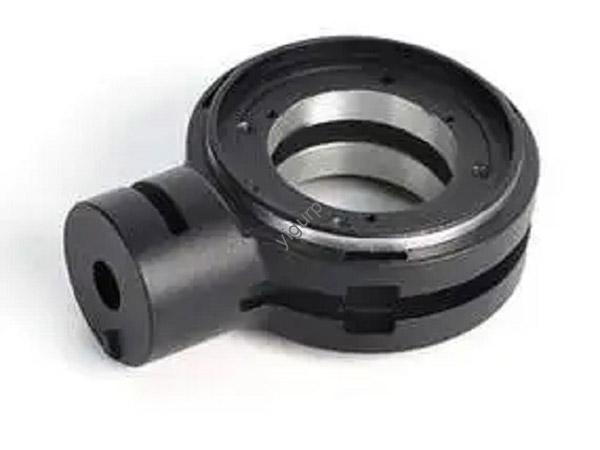
If you are designing tools that face high heat, constant abrasion, or heavy loads, EN 1.2080 tool steel is a material you should know. This versatile alloy is a common choice for cutting tools, dies, and molds across the automotive and manufacturing industries. But what makes it different from other options? This guide covers its key properties, how it performs in real applications, and the best ways to work with it. By the end, you will know if it fits your next project.
Introduction
Selecting the right tool steel often means balancing hardness against toughness and wear resistance against machinability. EN 1.2080 tool steel is a cold-work alloy that offers a strong mix of these traits. Its composition includes carbon, chromium, and other elements that give it excellent wear resistance and the ability to hold a sharp edge even at moderate temperatures. However, to use it effectively, you need to understand its limits and how to process it correctly. This guide walks you through the details you need to make an informed material decision.
What Defines EN 1.2080 Tool Steel?
The performance of this steel comes from a precise combination of elements and how they interact during heat treatment. Knowing this foundation helps you predict its behavior in your tools.
1.1 What Elements Give It Its Strength?
The alloying elements in EN 1.2080 work together to create a material that is hard, wear-resistant, and stable under heat. The table below shows the key components and their roles.
| Element | Content Range (%) | Primary Function |
|---|---|---|
| Carbon (C) | 0.95 – 1.10 | Forms hard carbides that resist wear and provide high hardness. |
| Chromium (Cr) | 1.30 – 1.60 | Boosts hardenability and offers moderate corrosion resistance. |
| Manganese (Mn) | 0.20 – 0.40 | Improves toughness and helps prevent brittleness during heat treatment. |
| Silicon (Si) | 0.15 – 0.35 | Enhances strength and resistance to oxidation at elevated temperatures. |
| Molybdenum (Mo) | 0.15 – 0.25 | Increases high-temperature strength and prevents grain growth. |
| Vanadium (V) | 0.10 – 0.20 | Improves wear resistance and edge retention by forming fine, hard carbides. |
| Tungsten (W) | 0.10 – 0.20 | Adds heat resistance, making the steel suitable for warm-work applications. |
This specific blend is what separates EN 1.2080 from simpler carbon steels, giving it the durability needed for high-wear tooling applications.
1.2 What Mechanical Properties Should You Expect?
The mechanical properties after proper heat treatment determine how a tool will perform under stress. Here are the key values to know.
- Hardness: 58 – 62 HRC. This high hardness is critical for cutting tools and dies. It allows the tool to retain a sharp edge and resist abrasive wear.
- Tensile Strength: ≥ 1900 MPa. This is the material’s ability to withstand being pulled apart without failure, which is important for tools that endure heavy loads.
- Yield Strength: ≥ 1700 MPa. This value indicates the stress level at which the steel begins to deform permanently. A high yield strength ensures that tools hold their shape during use.
- Impact Toughness: ≥ 18 J at room temperature. This measures the energy a material can absorb before fracturing. It is a trade-off for high hardness, meaning EN 1.2080 has moderate toughness, so it is not ideal for tools that experience severe shocks.
- Fatigue Strength: ~750 MPa over 10⁷ cycles. This is the material’s ability to survive repeated stress cycles, a key factor for punches and shear blades that cycle constantly.
1.3 How Does It Perform Under Heat?
One of the defining characteristics of EN 1.2080 is its behavior at elevated temperatures.
- Red Hardness: It retains its hardness up to about 450°C. This means a cutting tool or die can operate at warm temperatures without softening. A German factory reported that shear blades made from EN 1.2080 lasted twice as long as standard alloy steel blades when cutting steel sheets because of this property.
- Thermal Expansion: It has a coefficient of 12.0 × 10⁻⁶/°C from 20 to 600°C. This low expansion rate means tools experience less warping and distortion during heating and cooling cycles.
Where Is EN 1.2080 Used in Industry?
The true value of any tool steel is proven in its application. EN 1.2080 is chosen for components where wear and heat are constant challenges.
2.1 How Is It Used for Cutting Tools?
The combination of high hardness and wear resistance makes it a top choice for tools that cut other materials.
- Drills, Taps, and End Mills: A U.S. machine shop tested EN 1.2080 drills against standard high-speed steel (HSS) drills when machining mild steel. The EN 1.2080 drills lasted 25% longer before needing resharpening, which reduced downtime and tooling costs.
- Shear Blades: In an industrial setting, EN 1.2080 shear blades are used to cut steel sheets. Their high hardness maintains a sharp edge, leading to cleaner cuts and fewer blade changes.
2.2 What Role Does It Play in Dies and Molds?
This steel is widely used for shaping other materials through processes that involve high pressure and friction.
- Cold Stamping Dies: Used to form metal brackets and components. The steel’s wear resistance prevents the die surface from degrading over thousands of strokes.
- Extrusion Dies: A Chinese manufacturer switched to EN 1.2080 for their aluminum extrusion dies. Their previous alloy steel dies failed after 50,000 parts due to heat softening. The EN 1.2080 dies achieved 120,000 parts, a 140% increase in die life. The key was the steel’s red hardness, which kept the die strong at the 400°C temperature of the extruding aluminum.
2.3 How Is It Applied in Automotive and Aerospace?
In these sectors, components must withstand both mechanical stress and elevated temperatures.
- Valve Seats: A Japanese auto parts maker tested EN 1.2080 valve seats in gasoline engines. They found the seats showed no measurable wear after 60,000 miles of driving. The material’s red hardness allowed it to maintain its shape and seal despite the hot combustion environment.
- Small Turbine Parts: For non-critical aerospace components, its stability under moderate heat makes it a reliable choice.
What Are the Best Manufacturing Techniques?
Working with EN 1.2080 correctly is essential to achieve its full potential. The processing steps are not optional; they define the final properties of the tool.
3.1 Why Is Heat Treatment the Most Critical Step?
Heat treatment transforms EN 1.2080 from a workable soft state into a hard, functional tool. Each stage has a specific purpose.
- Annealing: The steel is heated to 800–850°C and then cooled slowly. This softens it to about 22–26 HRC. This step is done before any major machining, making it possible to drill, mill, and turn the material with standard equipment.
- Quenching: The part is heated to 950–1050°C and then rapidly cooled in oil. This creates a very hard, but brittle, structure. For a 40 mm thick section, this process hardens the material evenly throughout.
- Tempering: This is the final, balancing step. The quenched part is reheated to a lower temperature, typically between 180–250°C for cold-work tools or 400–450°C for warm-work tools. This reduces brittleness while allowing the material to retain its target hardness, typically 58–62 HRC.
3.2 What Are the Key Fabrication Rules?
To avoid damaging the material or creating defective tools, a few rules are essential.
- Machining: Always perform the bulk of machining before heat treatment, when the steel is in its annealed, soft state. Use carbide cutting tools for best results. Machining after quenching is very difficult and will quickly ruin standard tools.
- Grinding: Final dimensions and surface finishes are achieved by grinding after heat treatment. This step allows for tight tolerances, often within 0.001 mm for precision cutting tools. It also removes any surface decarburization that may have occurred during heating.
- Surface Treatment: For applications requiring even greater wear resistance or corrosion protection, optional treatments like nitriding or a TiAlN coating can be applied after grinding to extend tool life further.
How Does EN 1.2080 Compare to Other Materials?
Choosing a material requires weighing performance against cost. The table below compares EN 1.2080 against common alternatives.
| Material | Hardness (HRC) | Wear Resistance | Red Hardness | Relative Cost | Best Application |
|---|---|---|---|---|---|
| EN 1.2080 Tool Steel | 58 – 62 | Excellent | Good (to 450°C) | 100% | Versatile cold & warm dies |
| High-Speed Steel (HSS) | 60 – 65 | Very Good | Very Strong | 90% | High-speed cutting tools |
| Stainless Steel (304) | 20 – 25 | Poor | Weak | 130% | Corrosion-prone parts, not tools |
| Carbon Steel (1095) | 55 – 60 | Good | Weak | 50% | Low-cost, low-heat tools |
| Hot Work Steel (1.2344) | 45 – 50 | Very Good | Excellent | 150% | High-temperature forging dies |
The key takeaway is that EN 1.2080 offers an excellent balance. It is more wear-resistant and has better red hardness than carbon steel. It is also more cost-effective than dedicated hot work steels while still handling moderate high-temperature tasks like aluminum extrusion.
Conclusion
EN 1.2080 tool steel is a versatile and reliable material for a wide range of tooling applications. Its high hardness, excellent wear resistance, and ability to retain strength at moderate temperatures make it a strong candidate for cutting tools, cold stamping dies, and warm extrusion dies. While it requires careful processing—specifically precise heat treatment and pre-hardening machining—the long-term benefits in tool life and productivity are substantial. Real-world examples, from a 25% longer drill life to a 140% increase in extrusion die life, demonstrate its proven value. For projects that demand a cost-effective steel with a balanced performance profile, EN 1.2080 is a choice worth making.
FAQ About EN 1.2080 Tool Steel
What is the maximum operating temperature for EN 1.2080 tools?
The steel retains its hardness up to about 450°C. For applications above this temperature, such as hot forging of steel, a dedicated hot work tool steel like EN 1.2344 is recommended.
Can I weld EN 1.2080 tool steel?
Welding is generally not recommended for finished tools. The heat from welding will alter the carefully developed microstructure in the heat-affected zone, creating a soft spot that can lead to premature tool failure.
Is EN 1.2080 suitable for plastic injection molds?
Yes, it can be used. For injection molds, the steel is often tempered to a lower hardness range of 50–55 HRC. This provides a good balance of wear resistance to handle the flow of plastic and enough toughness to resist cracking from injection pressure.
How should I machine this steel before heat treatment?
Machine it in its annealed state (22–26 HRC). Use carbide tooling with moderate speeds and feeds. This is the most efficient way to create complex shapes without excessive tool wear.
Discuss Your Projects with Yigu Rapid Prototyping
Selecting the right tool steel and processing it correctly are two sides of the same coin. At Yigu Rapid Prototyping, we combine material expertise with precision manufacturing to turn alloys like EN 1.2080 into high-performance tools. We understand the heat treatment cycles, machining strategies, and finishing processes that bring out the best in every material. If you have a project that demands durability and precision, we are ready to help you from design to finished part.