
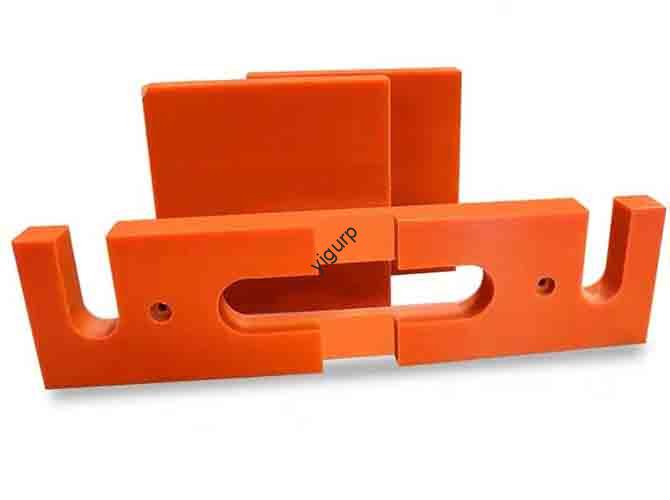
In Branchen wie der Luft- und Raumfahrt, Automobil, und Elektronik, 3D printed parts often face extreme heat—making high-temperature resistant materials for 3D printing non-negotiable. Aber mit so vielen Optionen (Metalle, Keramik, Polymere, Verbundwerkstoffe), Die Wahl des richtigen Produkts kann überwältigend sein. Dieser Leitfaden löst dieses Problem durch die Aufschlüsselung der Materialtypen, Schlüsseleigenschaften, reale Anwendungen, and selection tips—helping you pick the perfect material for your high-heat project.
1. Core Categories of High-Temperature Resistant 3D Printing Materials
Each material category has unique strengths in heat resistance, mechanical performance, und Bedruckbarkeit. The table below compares the four main types:
| Materialkategorie | Typical Heat Resistance Range (Continuous Use) | Hauptvorteile | Key Limitations | Ideal Industry Applications |
| Metallic Materials | 500–1,200°C | Hohe Festigkeit, Haltbarkeit, Korrosionsbeständigkeit | Schwer; requires high-power 3D printers (z.B., SLM, EBM) | Luft- und Raumfahrt, Automobil, Energie |
| Keramische Materialien | 1,000–2,000°C | Extreme Hitzebeständigkeit, geringe Wärmeleitfähigkeit, high hardness | Spröde; hard to print complex shapes | Elektronik, Luft- und Raumfahrt, chemische Verarbeitung |
| Polymer Materials | 200–300°C | Leicht, einfach zu drucken, niedrige Kosten | Lower heat resistance vs. metals/ceramics | Medizinisch, Automobil (non-engine parts), Elektronik |
| Verbundwerkstoffe | 300–800°C | Balances heat resistance and lightweight | Höhere Kosten; requires specialized printing | Luft- und Raumfahrt, high-performance automotive, Sportgeräte |
Beispiel: If you’re 3D printing a part for an aero engine that operates at 800°C, metallic materials (like nickel-based alloys) are better than polymers—polymers would melt at that temperature, while ceramics might be too brittle for the part’s mechanical needs.
2. Detailed Breakdown of Key Materials by Category
Within each category, specific materials excel in different scenarios. Use this section to dive deeper into the most practical options.
2.1 Metallic Materials: For High Heat + Stärke
Metallic materials are the go-to for parts that need to withstand intense heat Und mechanische Beanspruchung.
| Materialtyp | Dauergebrauchstemp | Schlüsseleigenschaften | 3D Druckprozess | Anwendungen aus der Praxis |
| Edelstahl | 500–800°C | Gute Korrosionsbeständigkeit, balanced strength | SLM (Selektives Laserschmelzen) | Automotive exhaust parts, aerospace structural components, chemical reactor parts |
| Titanlegierung (Ti-6Al-4V) | 500–600°C | Hohes Verhältnis von Festigkeit zu Gewicht, Biokompatibilität | EBM (Elektronenstrahlschmelzen), SLM | Aero engine components (z.B., Turbinenschaufeln), medizinische Implantate (high-temperature sterilization) |
| Nickelbasierte Legierungen (z.B., Inconel 718) | 650–1,000°C | Excellent creep resistance (no deformation under long-term heat), oxidation resistance | SLM | Gas turbine hot-end parts (Brennkammern), aero engine turbine disks |
Fallstudie: GE Aviation uses 3D-printed Inconel 718 for aero engine combustion chambers. The alloy withstands 900°C continuous heat and reduces part weight by 25% vs. traditional casting—boosting fuel efficiency.
2.2 Keramische Materialien: For Extreme Heat + Isolierung
Ceramics handle temperatures no other material can—but they require careful printing to avoid brittleness.
| Materialtyp | Dauergebrauchstemp | Schlüsseleigenschaften | 3D Druckprozess | Anwendungen aus der Praxis |
| Alumina Ceramics (Al₂O₃) | 1,200–1.600°C | Hohe Härte, geringe Wärmeleitfähigkeit, good electrical insulation | SLA (with ceramic-filled resin), Bindemittelstrahlen | Teile für Halbleitergeräte (z.B., high-temperature crucibles), aerospace insulation components |
| Zirconia Ceramics (ZrO₂) | 1,000–1,800°C | Better toughness than alumina, Korrosionsbeständigkeit | SLA, Bindemittelstrahlen | Dental prosthetics (withstands sterilization heat), aerospace high-temperature bearings |
Why Insulation Matters: Alumina ceramics’ low thermal conductivity makes them ideal for electronic parts—they protect sensitive components from nearby heat sources (z.B., a 1,000°C furnace) without transferring heat.
2.3 Polymer Materials: For Low-Cost + Easy Printing
Polymers are perfect for high-heat applications that don’t require extreme temperatures (≤300°C) and prioritize printability.
| Materialtyp | Dauergebrauchstemp | Schlüsseleigenschaften | 3D Druckprozess | Anwendungen aus der Praxis |
| SPÄHEN (Polyetheretherketon) | 200–240°C | Hohe Festigkeit, chemische Beständigkeit, Biokompatibilität | FDM (with high-temp nozzle), SLS | Medical bone substitutes (withstands autoclave heat), Komponenten für Automobilgetriebe |
| PI (Polyimid) | 250–300°C | Hervorragende elektrische Isolierung, Strahlungsbeständigkeit | SLA (polyimide resin), FDM | Electronic device insulating parts (z.B., PCB-Substrate), aerospace thermal insulation |
Beispiel: A medical device company uses 3D-printed PEEK to make surgical instrument handles. PEEK withstands 134°C autoclave sterilization (required for medical tools) and is lightweight for surgeon comfort.
2.4 Verbundwerkstoffe: For Balance of Heat Resistance + Leicht
Composites combine a heat-resistant “filler” (z.B., Kohlefaser) with a polymer matrix—offering better heat resistance than pure polymers and more flexibility than metals.
| Materialtyp | Dauergebrauchstemp | Schlüsseleigenschaften | 3D Druckprozess | Anwendungen aus der Praxis |
| Carbon Fiber-Reinforced PEEK | 220–260°C | 30% higher strength than pure PEEK, leicht | FDM (with carbon fiber-filled PEEK filament) | Aerospace interior parts (z.B., Kabinenverkleidungen), high-performance automotive body parts |
| Glass Fiber-Reinforced PI | 280–320°C | Better toughness than pure PI, lower cost than carbon fiber composites | SLA, FDM | Komponenten für Industrieanlagen (z.B., high-temperature sensor housings) |
3. How to Choose the Right High-Temperature Material
Follow this 4-step checklist to avoid costly mistakes (z.B., picking a material that melts or breaks in your application):
Schritt 1: Define Your Heat Requirements
Ask:
- What’s the maximum continuous temperature the part will face? (z.B., 200°C for a medical tool vs. 800°C for an aero engine part)
- Will the part experience temperature spikes (z.B., 1,000°C für 5 Minuten)? (Choose a material with a 20–30% higher temp rating than the spike.)
Schritt 2: Match Mechanical Needs to Material Strength
- If the part needs to support weight (z.B., a turbine blade), prioritize metallic materials or composites (hohe Festigkeit).
- If the part is non-load-bearing (z.B., an insulator), ceramics or polymers work (focus on heat resistance, not strength).
Schritt 3: Consider 3D Printing Feasibility
- Do you have access to a high-power printer (z.B., SLM for metals) or only a basic FDM printer? (Polymers work with FDM; metals need SLM/EBM.)
- Is the part’s design complex (z.B., interne Kanäle)? (Polymers/composites are easier to print with complex shapes than ceramics.)
Schritt 4: Balance Cost and Performance
| Materialkategorie | Kostenspanne (Pro kg) | Am besten für |
| Polymere | \(50–)200 | Niedrige Kosten, low-temperature projects |
| Metalle | \(200–)1,000 | High-performance, high-temperature needs |
| Keramik | \(150–)800 | Extreme heat, insulation needs |
| Verbundwerkstoffe | \(100–)500 | Balanced heat resistance and lightweight |
Pro Tip: Für den Prototypenbau, use a lower-cost material (z.B., SPÄHEN) to test the design—only switch to expensive metals/ceramics for final production.
4. Die Perspektive von Yigu Technology
Bei Yigu Technology, we see high-temperature resistant 3D printing materials as a key driver for industrial innovation. Many clients struggle with balancing heat resistance, druckbar, and cost—our advice is to start with a clear definition of your temperature and mechanical needs, then match to material categories (z.B., polymers for ≤300°C, metals for ≥500°C). We’re integrating these materials into our AI-driven 3D printing solutions, auto-adjusting print parameters (z.B., Temperatur, Schichtdicke) to reduce defects by 35%. As industries demand more high-heat parts, we’re committed to making these materials accessible—offering tailored recommendations for every project.
5. FAQ: Answers to Common Questions
Q1: Can I use high-temperature 3D printing materials with a basic FDM printer?
A1: Only some polymers (z.B., SPÄHEN, PI) work with modified FDM printers (high-temp nozzles, heated beds). Metalle, Keramik, and most composites need specialized printers (SLM, EBM, ceramic SLA)—basic FDM printers can’t reach the required temperatures or handle the materials.
Q2: How long do high-temperature 3D printed parts last in extreme heat?
A2: It depends on the material and use case. Metallic parts (z.B., Inconel 718) can last 5–10 years in 800°C environments. Polymer parts (z.B., SPÄHEN) last 2–3 years in 200°C conditions. Ceramics last the longest (10+ Jahre) but are prone to breaking if stressed.
Q3: Are high-temperature 3D printing materials recyclable?
A3: Most are recyclable with limitations. Metalle (Edelstahl, Titan) can be melted and reused 5–10 times. Polymere (SPÄHEN, PI) can be recycled 2–3 times if clean. Ceramics are harder to recycle—look for specialized recycling services to reduce waste.