
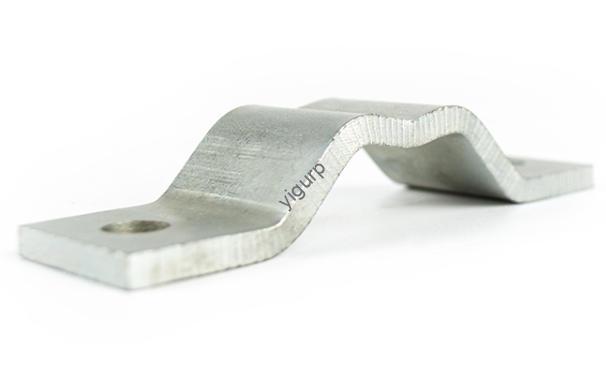
Wenn Sie Beschaffungsspezialist oder Produktingenieur sind, Durch die Wahl des richtigen Materials für die CNC-Bearbeitung können Sie Zeit sparen, Kosten senken, und stellen Sie sicher, dass Ihre Teile den Industriestandards entsprechen. Aluminium is one of the most popular choices—second only to steel in CNC machining frequency—thanks to its unique mix of strength, geringes Gewicht, und einfache Verarbeitung. This guide breaks down aluminum’s key characteristics, top alloys for CNC work, machining best practices, und reale Anwendungen, so you can make confident decisions for your projects.
1. What Makes Aluminum Stand Out for CNC Machining?
Pure aluminum is soft, silvery-white, and non-magnetic—but it’s rarely used alone. Instead, manufacturers blend it with elements like Mangan, Kupfer, Und Magnesium zu erstellen Aluminiumlegierungen with enhanced properties. Even with these variations, all aluminum alloys share core traits that make them ideal for CNC machining:
Key Characteristics of Aluminum for CNC Machining
- Superior Machinability: Aluminum is soft and easy to cut, erfordern 50% less force than steel. This lets CNC machines work faster (bis zu 3,000 U/min) and produce parts with tight tolerances (so niedrig wie 0.025 mm) without deformation. Zum Beispiel, a supplier machining aluminum brackets reduced production time by 40% compared to steel brackets.
- High Specific Strength: Aluminum’s density is just one-third of steel’s, so parts are lightweight. Yet it still offers impressive strength—perfect for industries like aerospace, where weight savings matter. A plane component made from aluminum weighs 60% less than the same part in steel, Verbesserung der Kraftstoffeffizienz.
- Strong Corrosion Resistance: Aluminum naturally resists rust in air and marine environments, and this can be boosted with Eloxieren. A marine equipment manufacturer found that anodized aluminum parts lasted 3x longer in saltwater than uncoated steel parts.
- Excellent Low-Temperature Performance: Unlike steel or rubber (which become brittle below zero), aluminum keeps its softness, Duktilität, and strength in extreme cold. This makes it ideal for cryogenic equipment, like liquid nitrogen storage tanks.
- Good Conductivity: Pure aluminum has a conductivity of 37.7 million siemens/m at room temperature. While alloys are less conductive, they still work for electronic components—such as heat sinks in smartphones.
- High Recyclability: CNC machining is subtractive, so it creates lots of scrap. Aluminium ist 100% recycelbar, and recycling it uses 95% less energy than making new aluminum. A furniture maker recycled 200 kg of aluminum chips annually, Reduzierung der Materialkosten um 15%.
- Anodizing Capabilities: Eloxieren (an electrochemical process) adds a hard, colorful layer to aluminum parts. This improves wear resistance and lets you match brand colors—great for consumer goods like laptop casings.
2. Top Aluminum Alloys for CNC Machining (With Use Cases)
Not all aluminum alloys are the same. The best choice depends on your part’s purpose—whether it needs high strength, Korrosionsbeständigkeit, or weldability. Below are the most common alloys used in CNC machining, with key details and real applications:
| Alloy Grade | Main Elements | Schlüsseleigenschaften | Am besten für | Toleranz (mm) | Cost Per kg |
| EN AW-6061 / 3.3211 | Magnesium, Silizium | Hohe Festigkeit (180 MPa-Zugfestigkeit), weldable | Scaffolding, aviation components, railway cars | 0.03 | $2.50 |
| EN AW-7075 / 3.4365 | Zink, Magnesium, Kupfer | Highest specific strength, better than some steels | Hang gliders, climbing gear, Formenbau | 0.025 | $4.00 |
| EN AW-5083 / 3.3547 | Magnesium, Manganese | Ausgezeichnete Korrosionsbeständigkeit, works in low temps | Marineteile, cryogenic equipment | 0.04 | $3.20 |
| EN AW-6060 / 3.3206 | Magnesium, Silizium | Medium strength, easy to anodize | Construction frames, medizinische Geräte | 0.035 | $2.30 |
| EN AW-5754 / 3.3535 | Magnesium | Great weldability, lebensmittelecht | Ausrüstung für die Lebensmittelverarbeitung, vehicle bodies | 0.045 | $2.80 |
Real-World Alloy Example: EN AW-6061 in Automotive Manufacturing
A car maker needed strong, lightweight drive shafts. They chose EN AW-6061 because of its high tensile strength and weldability. The CNC-machined shafts weighed 30% less than steel versions, improving the car’s fuel economy by 5%. Plus, the alloy’s corrosion resistance meant the shafts didn’t need extra coating—saving $2 pro Teil.
3. How to Machine Aluminum: Werkzeuge, Speeds, and Fluids
To get the best results with aluminum, you need the right tools, Einstellungen, und Prozesse. Folgendes müssen Sie wissen::
Essential Tools for Aluminum CNC Machining
- Tool Design: Use 2–3 flute cutters. More flutes (wie 4) block chip flow, causing jams. A 2-flute tool is best for high-speed cutting (where chip removal is critical), while a 3-flute tool balances chip flow and tool strength.
- Spiral Angle: For rough machining, use 35–40° angles to reduce heat. For finishing, 45° angles clean chips faster and improve surface finish. A supplier machining aluminum panels switched to 45° spiral angle tools and reduced tool wear by 25%.
- Clearance Angle: Keep it between 6–10°. Too small (under 6°) causes friction; too large (over 10°) makes the tool rattle and damage the part.
- Werkzeugmaterial: Hartmetall is the best choice. It stays sharp at high speeds and resists wear. Look for carbide tools with 2–20% cobalt content—this prevents reaction with aluminum at high temperatures (which causes chip buildup). Coatings like diamantähnlicher Kohlenstoff (DLC) oder zirconium dioxide can extend tool life by 30%.
Critical Cutting Speeds and Feeds
| Machining Type | Schnittgeschwindigkeit (U/min) | Vorschubgeschwindigkeit (mm/rev) |
| Rough Cutting | 2,000–3,000 | 0.15–2.03 |
| Fine Cutting | 3,000–4,000 | 0.05–0.15 |
Pro Tip: Always use the fastest speed your CNC machine can handle. Faster speeds reduce chip buildup, lower part temperature, and improve finish. A electronics manufacturer increased cutting speed from 2,500 Zu 3,500 RPM for aluminum heat sinks, cutting cycle time by 20%.
The Right Cutting Fluids
Never machine aluminum dry—it causes chip buildup on tools. Instead, verwenden oil-soluble emulsions oder mineral oils. Avoid fluids with chlorine or sulfur—they stain aluminum. A CNC shop switched to chlorine-free emulsion and eliminated 90% of aluminum staining issues.
4. Post-Processing for Aluminum CNC Parts
Nach der Bearbeitung, you can enhance aluminum parts with these common processes:
- Eloxieren: Dips parts in dilute sulfuric acid and applies voltage to create a hard, protective alumina layer. It also lets you add colors—great for consumer products. A laptop brand used red anodized aluminum for its casing, boosting product appeal.
- Sandblasting/Pearlescent Treatment: Uses high-pressure air to blast sand or glass beads onto parts. This creates a smooth or matte finish. Pearlescent treatment (with glass beads) is ideal for decorative parts, like furniture handles, but isn’t recommended for parts with tight tolerances.
- Pulverbeschichtung: Sprays colored polymer powder onto parts and bakes them at 200°C. This improves scratch and corrosion resistance. A garden tool maker found powder-coated aluminum handles lasted 2x longer than painted ones.
- Wärmebehandlung: For heat-treatable alloys (like EN AW-6061), heating and cooling strengthens parts. A aerospace supplier heat-treated aluminum turbine blades, increasing their tensile strength by 30%.
5. Where Is Aluminum Used in CNC Machining?
Aluminum’s versatility makes it a top pick across industries. Here are the most common applications:
- Luft- und Raumfahrt: Planes use aluminum for wings, fuselages, and engine parts—its light weight cuts fuel costs. A major airline saved $1 million annually on fuel by switching to aluminum components.
- Automobil: Drive shafts, Räder, and engine brackets are often aluminum. A car manufacturer reduced a vehicle’s weight by 150 kg using aluminum parts, improving its MPG by 7%.
- Elektronik: Kühlkörper, phone casings, and laptop frames rely on aluminum’s conductivity and light weight. A tech company’s aluminum heat sinks kept processors 10°C cooler than plastic ones.
- Food/Pharmaceuticals: Aluminum doesn’t react with organic materials, so it’s used for equipment like food mixers and pill packaging. A pharmaceutical firm chose aluminum for pill bottles because it kept drugs fresh longer.
- Sportausrüstung: Baseball bats, Fahrradrahmen, and ski poles use aluminum for strength and lightness. A bike brand’s aluminum frames weighed 500g less than steel frames, making rides easier.
6. Yigu Technology’s Perspective on Aluminum for CNC Machining
Bei Yigu Technology, we recommend aluminum for most CNC projects—especially if weight, Geschwindigkeit, or cost is a priority. Für hochbelastete Teile (like aviation components), EN AW-6061 or 7075 are top choices. For marine or food applications, EN AW-5083 or 5754 offer unbeatable corrosion resistance. We also advise clients to pair aluminum with carbide tools and chlorine-free cutting fluids to avoid issues. For procurement teams, buying recycled aluminum can cut material costs by 10–15% without sacrificing quality.
FAQ
1. Which aluminum alloy is best for high-strength CNC parts?
EN AW-7075 is the top choice. It has a higher specific strength than some steels and works well for parts like climbing gear or aerospace components. Just note it’s not ideal for welding—if you need weldable high-strength parts, go with EN AW-6061.
2. Can I machine aluminum without cutting fluid?
NEIN, dry machining causes chip buildup on tools, which ruins surface finish and reduces tool life. Always use oil-soluble emulsions or mineral oils (avoid chlorine/sulfur). This simple step can extend tool life by 50%.
3. Is anodizing necessary for aluminum CNC parts?
It depends on the application. If parts are exposed to moisture (like marine equipment) or need a colorful finish (like consumer goods), anodizing is worth it—it improves corrosion resistance and durability. For internal parts (like engine brackets), it may not be needed.