
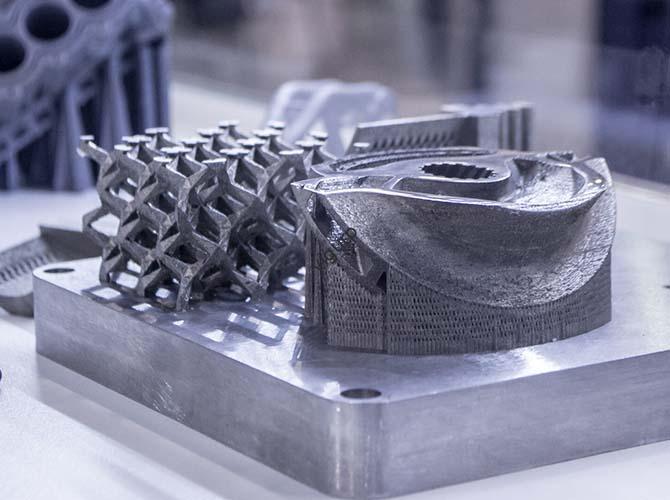
3D printing, also called additive manufacturing, is no longer just for hobbyists or labs. It’s used in aerospace, jewelry, automotive, and even schools across the U.S. But with six main methods available, choosing the right one can feel overwhelming. This guide breaks down each core 3D printing method, their pros, cons, real-world uses, and how to pick the best fit for your needs—whether you’re making a desk model, a metal part, or a colorful prototype.
What Is 3D Printing?
3D printing builds parts layer by layer from a digital CAD file. Unlike traditional machining (which cuts material away), it adds material—saving waste and enabling complex shapes. Today, it’s used for everything from custom jewelry to jet engine parts. The key is knowing which method matches your goals, budget, and material needs.
What Is SLA 3D Printing?
How Does SLA Work?
SLA (Light Curing Molding) uses liquid photosensitive resin and a laser. The laser cures (hardens) the resin layer by layer, following your CAD design. A platform lowers slightly after each layer. This lets the next resin layer cure—like drawing with light in liquid.
It’s simple: the laser hits the resin surface, turning liquid to solid. No melting or cutting is needed here.
SLA Pros & Cons
| Advantages | Disadvantages |
|---|---|
| Ultra-high precision (0.02–0.1mm layer height) | High equipment cost ($5,000–$100,000+) |
| Smooth surfaces (no post-sanding for most uses) | Few material options (mostly photosensitive resins) |
| Great for complex, tiny details | Resin can be toxic (needs gloves/ventilation) |
SLA Real-World Case
A small jewelry shop in Austin, Texas, needed custom engagement rings with tiny floral engravings. Hand-carving each prototype took 2–3 weeks and cost $200 per try. They switched to SLA 3D printing.
Using an SLA printer, they printed a resin prototype in 4 hours. Every petal and leaf detail was perfect. The prototype was used to make a mold for metal casting. This cut prototype time to a day and cost to $30 per ring. Now, they offer custom engravings faster and cheaper—boosting sales by 40% in 6 months.
What Is SLS 3D Printing?
How Does SLS Work?
SLS (Selective Laser Sintering) uses a high-powered laser to fuse powdered materials. It spreads a thin layer of powder (nylon, metal, or ceramic) on a platform.
The laser heats the powder to just below its melting point. This fuses the powder into the shape of your part’s cross-section. Unsintered powder stays in place to support the part—no extra supports needed.
SLS Pros & Cons
| Advantages | Disadvantages |
|---|---|
| Works with many materials (plastics, metals, ceramics) | High operating cost (powder: $50–$200/kg) |
| No support structures needed | Post-processing is tedious (powder removal, sanding) |
| Makes strong, functional parts | Equipment costs $10,000–$500,000+ |
SLS Real-World Case
A Detroit-based automotive startup was testing a new gear design for hybrid cars. They needed 10 prototypes to test durability and fit. Traditional CNC machining would take 5 days and cost $1,500 per gear.
They used SLS with nylon powder. The printer made 10 gears in 24 hours, costing $300 total. The nylon gears were strong enough for test runs. Since no supports were needed, the team skipped 8 hours of post-processing. This let them iterate on the design 3 times in a week—cutting development time by 60%.
What Is SLM 3D Printing?
How Does SLM Work?
SLM (Selective Laser Melting) is often mixed up with SLS. But it’s made just for metals. It uses a laser to fully melt metal powder (titanium, stainless steel, or aluminum).
Full melting makes parts as strong as traditionally made metal components. Like SLS, unsintered powder supports the part. But SLM needs tight temperature control to avoid warping.
SLM Pros & Cons
| Advantages | Disadvantages |
|---|---|
| Fully dense metal parts (99–100% density) | Extremely high cost ($100,000–$1M+ for equipment) |
| Ideal for aerospace/automotive high-stress parts | Needs professional operators |
| Makes complex metal shapes (turbine blades, implants) | Slow print speed (metal melting takes time) |
SLM Real-World Case
A Los Angeles aerospace company needed a lightweight bracket for a jet engine. The traditional aluminum bracket weighed 2.5 lbs and was hard to make with internal cooling channels.
They used SLM with titanium powder. The printed bracket weighed 1.75 lbs (30% lighter) and had the cooling channels built in. It was just as strong as the aluminum version. CNC machining couldn’t make the channels—SLM made it possible. The bracket passed all high-pressure tests and is now used in 50+ jet engines.
What Is LOM 3D Printing?
How Does LOM Work?
LOM (Layered Solid Manufacturing) is a budget-friendly method. It uses sheet materials like paper, plastic film, or foam.
A laser or blade cuts each sheet into the part’s cross-section. Each cut layer is glued to the one below it. Excess material around the part acts as support and is removed after printing.
LOM Pros & Cons
| Advantages | Disadvantages |
|---|---|
| Low cost (materials: $1–$5 per sheet) | Low part strength (glued layers are brittle) |
| Fast print speed (no melting—just cutting/gluing) | Limited detail (can’t make tiny parts) |
| Easy to operate (no advanced training) | Only for prototyping (not functional parts) |
LOM Real-World Case
A furniture designer in Chicago wanted to test a new chair shape. They didn’t want to waste expensive wood on a prototype that might need changes. Traditional wood prototypes cost $300 and took 3 days.
They used LOM with paper sheets. The full-size chair prototype took 8 hours to print and cost $20 in materials. The designer adjusted the chair’s curves for better comfort. Once the shape was perfect, they used the prototype to guide woodworking. This saved $280 per prototype and cut design time by 70%.
What Is FDM 3D Printing?
How Does FDM Work?
FDM (Fused Deposition Manufacturing) is the most common 3D printing method. It’s used by hobbyists, schools, and small businesses across the U.S.
It melts thermoplastic filament (PLA, ABS, PETG) through a heated nozzle. The nozzle deposits melted plastic layer by layer. It moves along X/Y axes to draw each layer, and the platform lowers for the next one. Supports are needed for overhangs (like a figure’s arm).
FDM Pros & Cons
| Advantages | Disadvantages |
|---|---|
| Low equipment cost ($200–$15,000) | Lower precision (0.1–0.3mm layer height) |
| Easy to use (great for beginners) | Rough surface (needs sanding for smoothness) |
| Affordable materials (PLA: $15–$30/kg) | Slow for large parts |
FDM Real-World Case
A high school in Denver had a STEM class competing in a robot contest. The students needed gears, brackets, and arms for their robot. Buying pre-made parts cost $200 and limited their design options.
The school got 3 entry-level FDM printers. Students used PLA filament to print parts—each costing less than $5. The printers were easy to use; students learned to operate them in an hour. They iterated on designs 4 times in a week, fixing flaws quickly.
Their robot won 2nd place in the state contest. The FDM printers now are used in 3 other classes, teaching students design and engineering skills.
What Is 3DP 3D Printing?
How Does 3DP Work?
3DP (3D Printed Molding), also called binder jetting, uses powder and adhesive. A nozzle sprays liquid adhesive onto a powder layer (plaster, ceramic, or resin powder).
The adhesive bonds the powder into the part’s cross-section. The process repeats until the part is done. It can print full color by adding pigment to the adhesive.
3DP Pros & Cons
| Advantages | Disadvantages |
|---|---|
| Fast print speed (bonds powder quickly) | Low part strength (brittle, not functional) |
| Prints full color (no post-painting) | Limited detail (adhesive spreads) |
| Low material cost (powder: $10–$30/kg) | Needs sealing (absorbs moisture easily) |
3DP Real-World Case
A small toy company in Seattle wanted to test a new action figure design. They needed to show a full-color prototype to retailers. Painting a prototype took 2 days and cost $150.
They used 3DP to print a full-color prototype in 6 hours. The figure’s red cape, blue body, and yellow accessories were printed at once. No painting was needed. Retailers loved the color scheme and placed orders for 5,000 figures.
The 3DP prototype saved the company $120 and 1.5 days per design test. They now use it for all new toy concepts.
How to Pick the Right 3D Printing Method?
Choosing the best method comes down to your goals, budget, and material needs. Use this simple guide to decide:
| Your Goal | Best Method | Key Reason |
|---|---|---|
| Intricate, smooth parts (jewelry/dental) | SLA | High precision, smooth surfaces |
| Multi-material functional parts (industrial) | SLS | Diverse materials, no supports |
| High-strength metal parts (aerospace/medical) | SLM | Fully dense, strong metal |
| Cheap, quick prototypes (design checks) | LOM | Low cost, fast speed |
| Hobby/education/small parts | FDM | Accessible, affordable |
| Fast, colorful models (toys/marketing) | 3DP | Full color, fast printing |
Conclusion
3D printing offers a solution for almost every project—from hobbyist models to industrial metal parts. The six core methods (SLA, SLS, SLM, LOM, FDM, 3DP) each have unique strengths. SLA leads in precision, SLS in material diversity, SLM in metal strength, LOM in low-cost prototyping, FDM in accessibility, and 3DP in fast color prints.
To choose well, start with your goal: Do you need detail, strength, color, or affordability? Then check your budget and material needs. With the right method, you can save time, cut costs, and bring your designs to life faster than ever. Whether you’re a small business owner, a student, or an engineer, 3D printing’s versatility makes it a powerful tool for innovation.
FAQ
Which 3D printing method is cheapest for beginners? FDM is the cheapest. Entry-level printers cost $200–$500, and PLA filament is $15–$30/kg. It’s also easy to learn, making it perfect for beginners.
Can any 3D printing method make metal parts? Only SLM and SLS (with metal powder) make metal parts. SLM is better for high-strength, dense parts (like aerospace components). SLS metal parts are less dense, good for non-critical parts.
Which method is best for full-color 3D prints? 3DP (binder jetting) is the only method that prints full color directly. Other methods (FDM, SLA) need post-painting, which adds time and cost.
Is SLA or FDM better for small, detailed parts? SLA is better. It has higher precision (0.02–0.1mm layer height) and smoother surfaces. FDM is cheaper but has lower detail and rougher surfaces.
Do all 3D printing methods need post-processing? Most do. SLA needs resin cleaning, SLS needs powder removal, FDM needs sanding, and 3DP needs sealing. LOM is the only one with minimal post-processing (just removing excess material).
Discuss Your Projects with Yigu Rapid Prototyping
Not sure which 3D printing method fits your project? Yigu Rapid Prototyping helps U.S. clients—from hobbyists to large industries—pick the right solution. We offer expert guidance on methods, materials, and post-processing.
Whether you need a detailed jewelry prototype, a strong metal part, or a colorful toy model, our team has the experience to help. Contact us today to discuss your project and get a custom quote tailored to your goals and budget.