Injection Molding

architecture 3d printing

Miniature Injection Molding: The Complete Guide for Hobbyists & Small Businesses

If you need to mass-produce small, precise plastic parts (think: tiny gears for a model robot, custom jewelry components, or micro-components for medical devices), miniature injection molding is the solution. Unlike 3D printing (which is great for prototypes but slow for large batches), this process uses scaled-down injection molding machines to inject molten plastic into small molds—creating […]

polypropylene pp injection molding

Getting Perfect Molded Parts: A Complete Guide to Tight Tolerances

In today’s manufacturing world, where performance and making things smaller are most important, the difference between success and failure is often measured in tiny units called microns. For engineers and product designers, getting tight tolerances in plastic injection molding isn’t just a goal – it’s absolutely necessary. The challenge is making millions of parts where

polystyrene ps injection molding

How Molding Shapes Modern Manufacturing: Methods and New Trends

From the smartphone in your pocket to your car’s dashboard, countless objects that shape our daily lives come from one powerful idea: molding. In manufacturing, molding is the basic process of shaping flexible raw materials using a solid frame called a mold or die. It powers mass production and connects digital designs to millions of

acrylonitrile butadiene styrene abs injection molding

Injection Production Explained: From Mold to Finished Product

Introduction Look around you. The computer mouse you’re using, your car’s dashboard, or your coffee maker’s outer shell—chances are, they all started as tiny plastic pellets. These everyday items are made through injection production, one of the most useful and popular manufacturing methods in today’s world. Simply put, injection production is a way to make

transparent plastics injection molding

Clear Injection Molded Plastics: Making See-Through Parts in Manufacturing

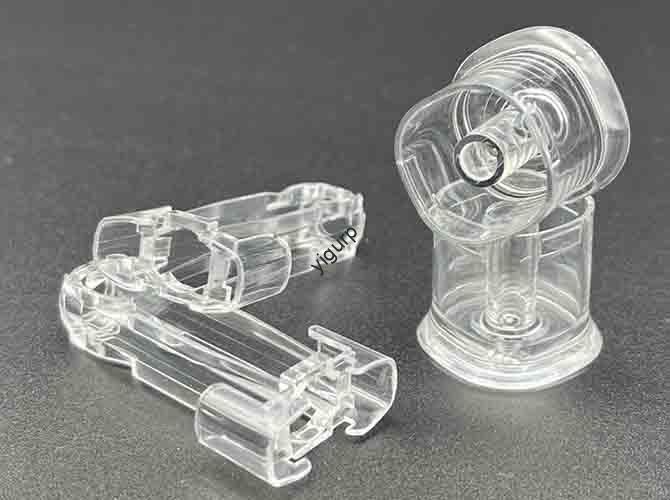
Making perfectly clear injection molded parts is a common goal for product designers and engineers in many industries. It doesn’t happen by luck, but through a careful process that needs precision at every step. True optical clarity comes from three important areas working together: material science, process optimization, and quality control. This guide gives you

polyamide pa cnc machining

What Is Silicone Mold Injection Molding and Its Key Essentials?

Silicone mold injection molding is an advanced manufacturing technology that uses liquid silicone rubber (LSR) as raw material, injecting it into high-precision molds under controlled temperature and pressure to produce high-quality silicone products. Unlike traditional manual mold making, it excels in mass production, high dimensional accuracy, and stable product performance—making it a core process in

tooling 3d printing

What Is Prototype Injection Molding, How to Execute It for Mass Production Readiness?

Prototype injection molding is a specialized manufacturing process that converts 3D-printed prototypes into small-batch injection-molded parts (typically 10–500 units) to validate design feasibility, material performance, and mass production workflows. Unlike traditional injection molding (focused on high-volume output), it prioritizes flexibility, cost efficiency, and rapid iteration—making it critical for industries like consumer goods, automotive, and electronics.

thermoplatic injection molding plastic parts

Step-by-Step Process for Plastic Injection Molding Prototype Models

Creating a plastic injection molding prototype is a critical step in product development—it lets you test design feasibility, validate performance, and avoid costly mistakes in mass production. Unlike mass-produced parts, prototypes prioritize speed, cost-efficiency, and adaptability, while still following core injection molding principles. Below is a complete, actionable breakdown of the prototype development process, from

micro injection molding

Essential Precautions for High-Quality Plastic Injection Molded Parts

Plastic injection molding is a widely used manufacturing process, but producing high-quality parts requires attention to every detail. From material selection to post-processing, each step has its own precautions that directly affect the final product’s performance, appearance, and cost. This article will break down the key precautions for each stage of plastic injection molded parts

overmolding

Small Batch Injection Molding Process for Product Parts: A Practical Guide to Precision & Efficiency

Small batch injection molding is a game-changer for businesses looking to test new products, meet niche market demands, or bridge the gap between prototyping and mass production. Unlike large-scale runs, small batches (typically 50–1,000 parts) require a balance of flexibility, cost control, and quality—mistakes here can eat into profits fast. Whether you’re making electronics components

prototype parts

Common Injection Molding Defects: Causes, Fixes & Prevention Tips

Injection molding is a reliable way to make plastic parts at scale—but common injection molding defects like flash, warping, or short shots can ruin quality, waste materials, and delay production. Even small defects (e.g., a tiny sink mark) can make parts unfit for use, especially in industries like medical or automotive where precision matters. The good news?

Scroll to Top