3D Printing

polyamide pa nylon injection molding

3D Printing Z – Axis Compensation: The Key to Boosting Print Accuracy

In the fast – paced world of 3D printing, where precision is everything, have you ever wondered why some printed parts have uneven layers or extra thickness? The answer often lies in the quality of Z – axis control. 3D printing Z – axis compensation is not just a technical detail; it’s the backbone of […]

polystyrene ps injection molding

3D Printing Fiberglass Materials: Unlock High-Strength Solutions for Industrial Applications

In advanced manufacturing, why do aerospace firms and automotive makers increasingly turn to fiberglass for 3D printed parts? The answer lies in 3D printing fiberglass materials—high-performance composites that blend traditional glass fiber’s strength with 3D printing’s design freedom. Unlike standard plastics (e.g., PLA) or even carbon fiber, fiberglass offers a balanced mix of rigidity, heat

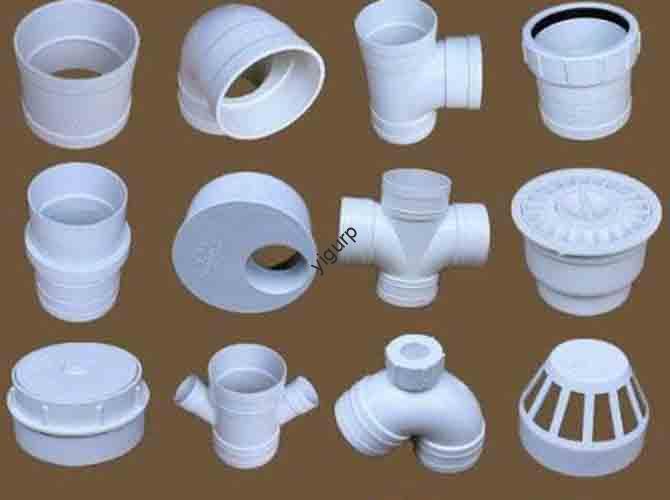
polyvinyl chloride pvc injection molding

Plastic Materials for 3D Printing: A Complete Guide for Selection & Application

In 3D printing, why do hobbyists choose PLA for figurines while aerospace engineers rely on PEEK for engine parts? The answer lies in plastic materials for 3D printing—a diverse range of polymers engineered to match specific functional needs, from flexibility to high-temperature resistance. Choosing the wrong plastic leads to brittle prototypes, failed end-use parts, or wasted

polypropylene pp injection molding

3D Printing SLA Material: A Complete Guide for Selection & Application

In 3D printing, why do dental labs rely on SLA resins for aligners while aerospace firms use SLA high-temperature resins for prototypes? The answer lies in 3D printing SLA material—photopolymer resins engineered for Stereolithography (SLA) technology, which uses UV lasers to cure liquid resin into precise, smooth parts. Choosing the wrong SLA material leads to brittle

polyethylene pe injection molding

3D Printing SLS Material: A Complete Guide for Material Selection & Applications

In additive manufacturing, why do aerospace engineers choose SLS (Selective Laser Sintering) titanium alloys for engine parts, while consumer goods makers use SLS nylon for durable prototypes? The answer lies in 3D printing SLS material—a diverse range of powdered substances engineered to fuse layer-by-layer under laser heat, enabling complex, functional parts. Choosing the wrong SLS material

education 3d printing

Diameter of 3D Printed Material: A Complete Guide for Selection & Optimization

In 3D printing, why does a desktop printer for hobby projects use 1.75mm filament while an industrial machine for large parts relies on 2.85mm? The answer lies in the diameter of 3D printed material—a critical parameter that directly impacts print quality, printer compatibility, and production efficiency. Choosing the wrong diameter leads to failed prints (e.g., under-extrusion),

education 3d printing

Thermal Conductive Materials for 3D Printing: Choose the Right Option for Heat Management

In 3D printing, why do LED heat sinks need copper-based materials while satellite thermal systems use aluminum alloys? The answer lies in thermal conductive materials for 3D printing—specialized substances engineered to transfer heat efficiently, solving critical heat management challenges in electronics, aerospace, and medical industries. Choosing the wrong conductive material can lead to overheated parts,

flame retardant plastics cnc machining

3D Printing of High-Performance Materials: Unlock Excellence for Industrial Applications

In advanced manufacturing, why can’t standard 3D printing materials (like basic PLA) meet the demands of aerospace engines or medical implants? The answer lies in 3D printing of high-performance materials—a technology that combines additive manufacturing with materials engineered for extreme strength, heat resistance, or biocompatibility. This article breaks down key material types, real-world applications, problem-solving

3d printing prototype robotics

Application of 3D Printing Prototypes in Robotics: A Complete Guide for 2025

In the fast-paced robotics industry, 3D printed prototypes have become a game-changer—cutting R&D time, reducing costs, and unlocking design freedom that traditional manufacturing can’t match. Whether you’re a startup testing a new collaborative robot or a large firm iterating on industrial arms, understanding how to leverage 3D printing for robotic prototypes is key to staying competitive. This

prototype processing

Application of 3D Printing Prototype in the Aerospace Field: Transforming Innovation and Efficiency

In the aerospace industry, where precision, efficiency, and innovation are critical, 3D printing prototype technology has emerged as a revolutionary force. It addresses long-standing challenges such as slow product development, high manufacturing costs, and limited design flexibility. This article explores how 3D printing prototypes are reshaping aerospace manufacturing, with real-world examples, data-driven insights, and practical

3d printing communication

Advantages of 3D Printing Communication Equipment Prototype Models: Accelerate R&D and Boost Innovation

In the fast-paced communication equipment industry—where products like walkie-talkies, microphones, and base station components need constant updates to meet market demands—prototyping is a make-or-break step. Traditional prototyping methods (such as injection molding or CNC machining) often suffer from long lead times, high costs, and limited design flexibility. However, 3D printing for communication equipment prototypes has emerged as

3d printed electronic digital

3D Printed Electronic Digital Prototype Models: Revolutionizing Product R&D for Speed, Accuracy, and Flexibility

In the fast-paced world of electronic digital product development, getting from a design concept to a tangible, testable prototype is make-or-break. Delays in prototyping can mean missing market windows, while inflexible production methods can stifle innovation. That’s where 3D printed electronic digital prototype models come in. This technology has become a cornerstone for engineers, designers, and businesses,

3d printing smart home prototype

Precautions for 3D Printing Smart Home Prototype Models: Avoid Mistakes & Ensure Success (2025)

Smart home prototypes—from voice-controlled light switches to app-connected thermostats—need to balance functionality, user-friendliness, and compatibility with other smart devices. While 3D printing makes creating these prototypes fast and affordable, it’s easy to overlook small details that lead to failed parts, wasted time, or prototypes that don’t reflect real-world use. In this guide, we’ll break down

Silicone Vacuum casting

How to Process Prototype Models of Household Appliances in 3D Printing: A Step-by-Step Guide (2025)

Household appliances—from smart refrigerators to compact blenders—need to balance functionality, aesthetics, and user-friendliness. For designers and manufacturers, 3D printing has become the go-to method for processing these appliance prototypes. It lets you turn creative ideas into physical parts fast, test custom designs, and fix flaws early—without the high cost of traditional tooling. In this guide,

Scroll to Top