Author name: yigurp.com

yigurp.com has experience in rapid prototyping and batch manufacturing services, helping customers with entire manufacturing process from ideas to industrial product, email:info@yigurp.com

selective laser sintering (sls)

Simple Mold Production and Processing Process for Low-Cost, Flexible Manufacturing

In product development, not every project needs expensive, high-volume tooling. Whether you’re validating a new design, testing a product in the market, or making personalized items, the simple mold production and processing process offers a flexible, budget-friendly solution. It bridges the gap between prototype and full-scale production, making it easy to turn ideas into tangible products—without the […]

stereolithography (sla)

Rapid Tooling Process: Speed Up Your Product Development Cycle

In the competitive world of product development, time is money. If you’ve ever struggled with long wait times for traditional tooling or high costs for small-batch production, the rapid tooling process is your solution. This efficient manufacturing technique bridges the gap between prototype design and finished products, helping teams verify ideas fast and get to market sooner.

prototype making process

Prototyping Design for Manufacturing (DFM): Boost Feasibility & Cut Costs

Prototyping is the bridge between design ideas and real products—but a great prototype means nothing if it can’t be manufactured at scale. That’s where prototyping Design for Manufacturing (DFM) comes in. By integrating manufacturing constraints into your prototype design early, you avoid costly reworks, speed up production, and ensure your final product is both functional and affordable.

prototype parts

Common Injection Molding Defects: Causes, Fixes & Prevention Tips

Injection molding is a reliable way to make plastic parts at scale—but common injection molding defects like flash, warping, or short shots can ruin quality, waste materials, and delay production. Even small defects (e.g., a tiny sink mark) can make parts unfit for use, especially in industries like medical or automotive where precision matters. The good news?

prototype factory

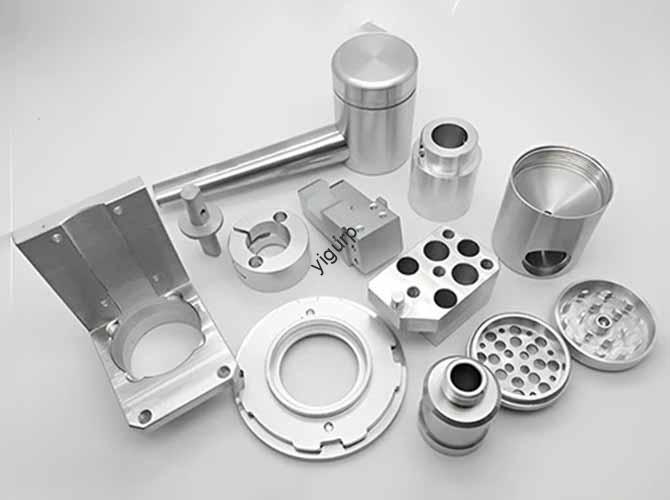
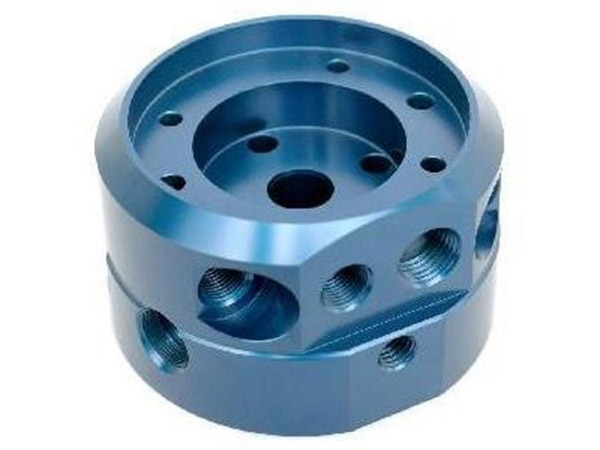
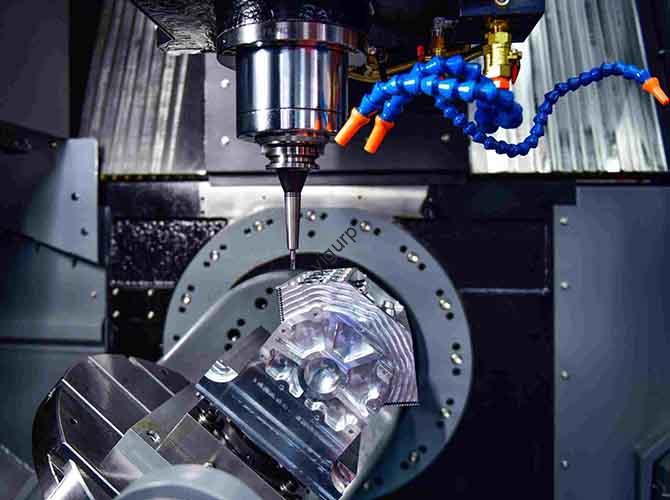
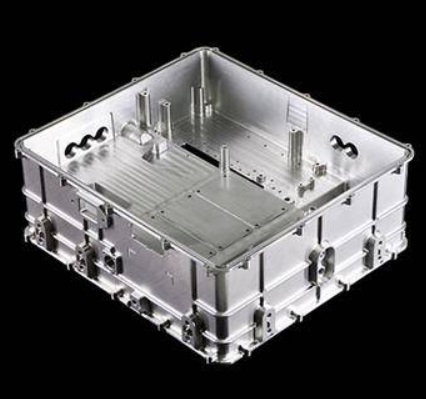
Complex CNC Parts Machining: A Complete Guide to Design & Production

Machining complex CNC parts—think aerospace turbine blades with cooling channels, medical implants with micron-scale features, or electronics enclosures with undercuts—requires more than just a skilled operator. It demands careful design assessment, strategic optimization, and close collaboration with manufacturers to avoid costly delays, tool breakage, or out-of-spec parts. This guide breaks down how to identify truly complex

prototype parts

3D Printing for Mass Production: When It Beats Traditional Methods

3D printing is no longer just for prototypes—it’s a powerful option for 3D printing mass production, especially for small-to-medium batches (10–10,000 parts). For businesses needing flexible designs, fast lead times, or complex geometries, 3D printing often outperforms traditional methods like injection molding or CNC machining. This guide breaks down when to use 3D printing for

prototype parts

SLA 3D Printing Design: The Ultimate Guide for High-Precision Parts

Stereolithography (SLA) 3D printing is unrivaled for creating parts with ultra-fine details, smooth surfaces, and tight tolerances—making it a top choice for prototypes, dental models, mold masters, and small mechanical components. But SLA’s resin-based process is less forgiving than powder-bed technologies like MJF or SLS. Poor design choices lead to common issues: brittle walls, trapped

water transfer printing

MJF 3D Printing Design: Ultimate Guide for Reliable Functional Parts

Multi-Jet Fusion (MJF) 3D printing is a game-changer for functional parts—delivering dense, isotropic components with high surface finish and fast production speeds. But even with MJF’s strengths, poor design choices lead to common issues: warped parts, trapped powder, or brittle features. The solution? Following proven MJF 3D printing design principles tailored to this powder bed

Sheet metal

Sheet Metal Thickness Standard & Gauge Comparison Table Reference

When working with sheet metal—whether for automotive parts, construction, or consumer goods—understanding sheet metal thickness standards and the gauge system is non-negotiable. The gauge system uses a counterintuitive, nonlinear scale (smaller numbers = thicker metal) that can confuse even experienced engineers. This guide breaks down how the gauge system works, provides detailed comparison tables for 7 common metals (steel,

prototype processing

Design Tips for SLS 3D Printing: Boost Strength, Accuracy & Efficiency

Selective Laser Sintering (SLS) 3D printing is a game-changer for functional prototypes and low-volume production—it creates complex, high-strength parts without support structures, using durable materials like PA12 and PA11. But even the best SLS printers can’t fix a poorly designed part: thin walls may warp, trapped powder can ruin functionality, and ignored shrinkage can break assemblies. The key

cnc plastic prototype sanding

FDM 3D Printing for Strong Prints: A Complete Optimization Guide

FDM (Fused Deposition Modeling) is a go-to 3D printing technology for prototypes, functional parts, and low-volume production—but weak prints are a common frustration. Too often, FDM parts break under stress, warp during printing, or fail to hold up to daily use. The good news? With the right material choices, design tweaks, and process adjustments, you

hydro transfer printing

CNC Machining vs. 3D Printing: Plastic Fabrication Process Guide

When it comes to plastic fabrication, two processes stand out for their versatility: CNC Machining (subtractive) and 3D Printing (additive). CNC carves parts from solid plastic blocks, while 3D Printing builds them layer by layer from filaments or resin. Both make high-quality plastic parts, but their strengths—like precision, speed, and cost—vary drastically based on your

rapid prototype lead time

Injection Molding vs. 3D Printing Process: Which Is Right for You?

When it comes to making plastic parts—whether for prototypes, small batches, or mass production—two processes dominate: Injection Molding and 3D Printing. Injection Molding uses molds to pour molten plastic into shapes, while 3D Printing builds parts layer by layer from filaments or resin. Both have strengths, but the wrong choice can waste time, money, or

prototype sampling

3D Printing Technology: SLA vs. FDM – Which Fits Your Project?

When it comes to 3D printing, two technologies stand out for accessibility and versatility: SLA (Stereolithography) and FDM (Fused Deposition Modeling). SLA uses light to cure liquid resin into precise parts, while FDM melts plastic filaments to build layers. Both work for prototypes, small-batch production, and even end-use parts—but their strengths, costs, and best uses

advantages prototype models

Polymer CNC Machining: A Guide for Precision Plastic Parts

Polymer CNC machining is a go-to manufacturing process for creating high-quality plastic parts—from functional prototypes to large-scale production runs. Unlike 3D printing, which builds parts layer by layer, Polymer CNC machining uses subtractive technology: it carves precise shapes from solid polymer blocks, delivering superior mechanical strength, tight tolerances, and smooth surface finishes. This guide breaks

Scroll to Top