Author name: yigurp.com

yigurp.com has experience in rapid prototyping and batch manufacturing services, helping customers with entire manufacturing process from ideas to industrial product, email:info@yigurp.com

CNC machining Parts Services

3-Axis vs. 5-Axis CNC Machining: Which Is Best for You?

CNC machining is the backbone of subtractive manufacturing, used to make precise parts across nearly every industry. But not all CNC machines are the same—3-axis and 5-axis models serve very different needs. This guide breaks down their key differences, from how they move to cost, precision, and uses. By the end, you’ll know exactly which […]
Precision machining

What Are the Key Differences Between Rapid Prototyping and Machining?

Introduction In product development, choosing the right method to create your prototypes is a critical decision. Two of the most common approaches are rapid prototyping and traditional machining. They work in fundamentally different ways. Machining is subtractive—it cuts away material from a solid block. Rapid prototyping is additive or near-net-shape—it builds parts layer by layer

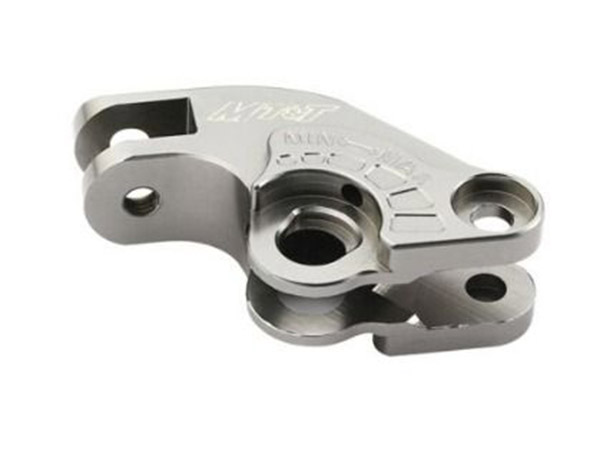
Metal parts custom manufacturing

Nitro V Stainless Steel: Properties, Uses, Expert Insights

If your project demands exceptional corrosion resistance, strength, and hygiene—from chemical reactors to surgical instruments—Nitro V Stainless Steel is a high-performance alloy that stands out. Its unique addition of nitrogen enhances both mechanical and anti-corrosion traits, making it ideal for harsh or sterile environments. But how does it excel in real-world scenarios like food processing

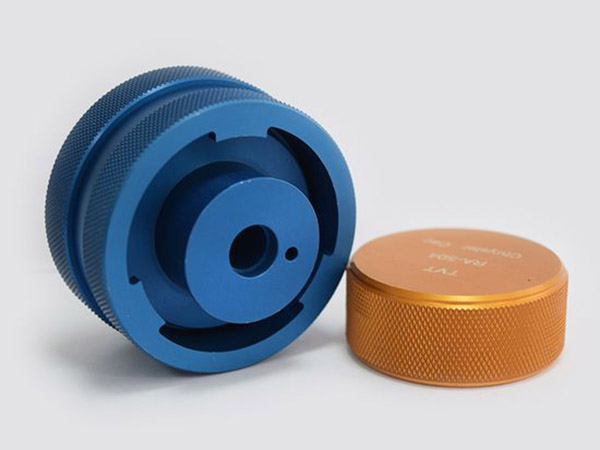
telecommunications cnc machining

How Is a CNC Machining Quotation Calculated?

If you’re sourcing CNC-machined parts for your project, understanding quote calculations is key. You don’t want to overpay or misunderstand where costs come from. A CNC machining quotation isn’t a random number. It’s a detailed sum of real costs: materials, machining time, labor, and more. This guide breaks down the calculation process, core cost factors,

fluorinated ethylene propylene fep injection molding

What Is Automotive Additive Manufacturing, and How Does It Change Cars?

If you work in the auto industry, own a car, or just love learning how things are made, you’ve probably heard of 3D printing. But what does it really mean for cars? Automotive additive manufacturing—often called 3D printing for cars—is changing how automakers design, build, and fix vehicles. It swaps old “cut-and-shape” methods for a

Parts custom manufacturing

EN8 Structural Steel: Properties, Uses, Practical Recommendations

If you’re looking for a reliable steel for medium-duty projects—like machine parts, construction beams, or automotive components—EN8 structural steel is a top contender. This carbon steel balances strength and workability, but how does it perform in real-world tasks? This guide breaks down its key traits, applications, and comparisons to other materials, so you can choose

polyamide pa nylon injection molding

How Can Process Simulation Predict 3D Printing Failures?

3D printing process simulation uses computer models to predict how a part will print before you start. It forecasts problems like warping, residual stress, and support failure. This guide explains how it works, the key software tools, and its real-world benefits. You’ll learn how simulation cuts costs, reduces failed prints, and optimizes parameters. We’ll cover

metal parts custom manufacturing

High Speed Steel: Properties, Applications, Manufacturing Guide

High speed steel (HSS) is a premium tool steel celebrated for its exceptional hot hardness and wear resistance—traits that let it retain sharpness at temperatures up to 600°C, far beyond ordinary tool steels. Its carefully balanced chemical composition (rich in tungsten, molybdenum, and vanadium) makes it the gold standard for cutting tools that tackle high-speed

Metal parts custom manufacturing

AR400 Abrasion Resistant Steel: The Guide to Products, Properties & Uses

If your equipment battles constant scraping, impact, or friction—think mining buckets, crusher parts, or dump truck beds—AR400 abrasion resistant steel is your solution. This tough, quenched-and-tempered steel outlasts standard steel by 3–5 times, cutting replacement costs and downtime. This guide breaks down everything you need to know to choose, use, and fabricate AR400 effectively. 1. AR400

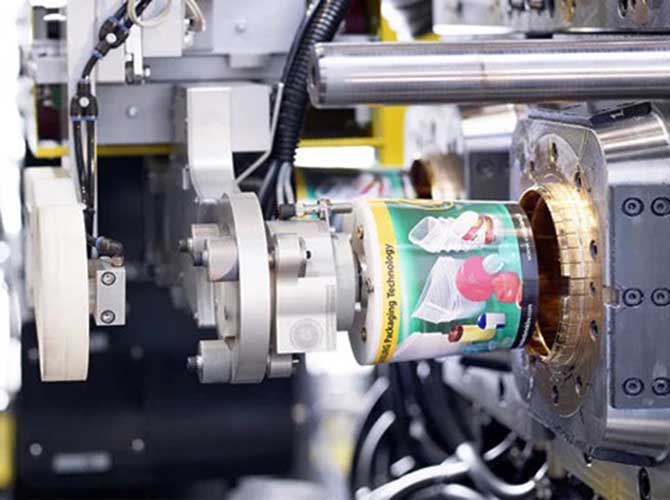
in mold labeling (iml)

What Are Metal Molds and How Do You Choose the Right One?

Introduction Metal molds are everywhere. They shape the car parts, kitchen utensils, jewelry, and industrial components we use every day. Without them, mass production of consistent, high-quality metal products would be impossible. But what exactly are they? How do they work? And how do you choose the right one for your project—whether you’re a hobbyist

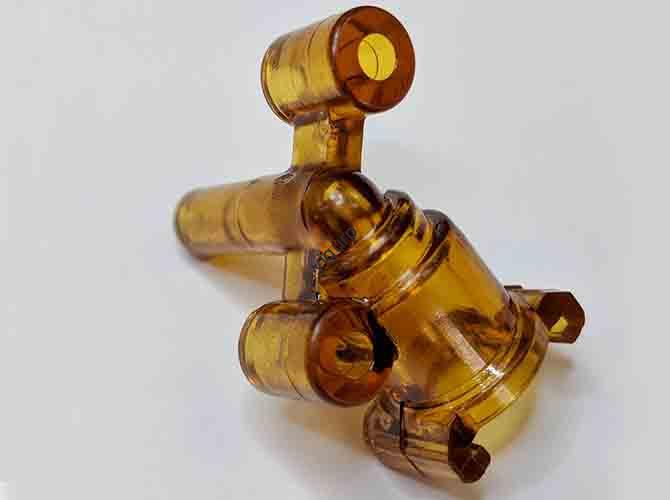
polyether imide pei injection molding

What You Need to Know About 3D Printing in Spain: A Complete Guide

If you are curious about 3D printing in Spain—whether as a hobbyist, business owner, or industry professional—you are in the right place. Spain has a thriving, fast-growing 3D printing ecosystem valued at €180 million (Spanish Association of Additive Manufacturing, AFM 2024), with strong government support, a network of local providers, and focus on aerospace, healthcare,

metal parts custom manufacturing

Dillidur 500V Wear-Resistant Steel: Properties, Applications & Comparisons

If you’re tired of replacing worn-out equipment parts like crusher liners or excavator buckets every few months, Dillidur 500V wear-resistant steel could be the solution. Designed for extreme abrasion and tough working conditions, it’s a top choice for industries like mining, construction, and recycling. In this guide, we’ll break down its key properties, real-world uses, manufacturing process,

Metal parts custom manufacturing

D2 Tool Steel: Properties, Applications, and Manufacturing Guide

D2 tool steel is a premium cold-work tool steel celebrated for its exceptional wear resistance and high edge retention—traits driven by its unique chemical composition (rich in carbon and chromium). Unlike lower-carbon tool steels, its air-hardening capability minimizes distortion during heat treatment, making it a top choice for precision tools, cutlery, and molds that demand

metal parts custom manufacturing

HSLA 450 High Strength Low Alloy Steel: Properties, Uses & Expert Guide

If you’re an engineer working on high-stress projects—like heavy-duty bridges, industrial machinery, or offshore structures—HSLA 450 high strength low alloy steel is a game-changer. It delivers exceptional strength, corrosion resistance, and formability, solving common pain points like weight overload and component failure. This guide breaks down everything you need to know to use it effectively. 1.

Scroll to Top