
Introduction
Choosing the right material is the most critical step in 3D printing. The success of your part depends on it. With options from simple plastics to strong metals, each material has a unique set of traits. These traits decide if your part will bend, break, last, or fail. This guide breaks down the key features of major 3D printing materials. We will help you understand their strengths and limits. You will learn to match material properties to your exact needs. This will help you make smart choices for any project.
What Are the Main Types of 3D Printing Materials?
Materials are grouped by their core makeup. Knowing these groups helps you narrow your search. The main groups are plastics, metals, and biomaterials. Each group serves a different purpose.
Plastics are the most common. They are easy to use and low cost. Metals are for strong, tough parts. They handle heat and stress well. Biomaterials are special. They work with the human body or break down naturally.
New materials keep coming out. These include composites and smart materials. They offer new ways to solve design problems.
Why Start with Plastic Filaments?
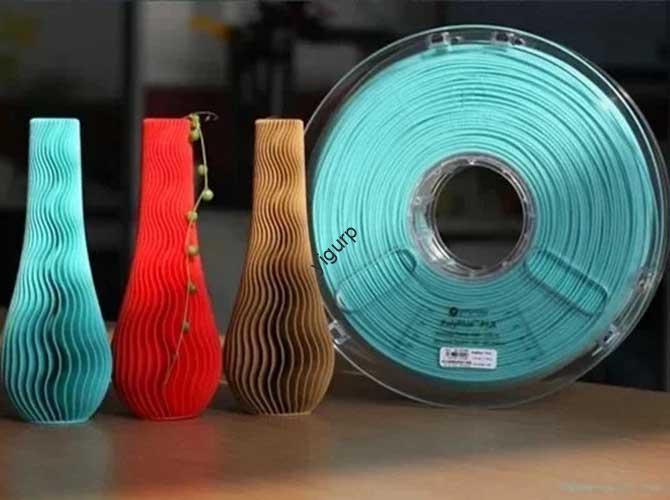
Plastic filaments are the entry point for most users. They are affordable and versatile. From a simple model to a working gear, plastics can do it. But not all plastics are the same. Their features vary a lot.
How Do Common Plastics Compare?
The table below shows how four key plastics stack up for different uses.
| Material | Best Key Features | Strength & Durability | Top Uses | Key Drawbacks |
|---|---|---|---|---|
| PLA | Easy to print, good detail, eco-friendly | Strong but brittle; low impact resistance | Prototypes, models, home decor | Low heat resistance, degrades outdoors |
| ABS | Tough, impact-resistant, can be smoothed | Good tensile strength; durable | Car parts, tool housings, toys | Warps easily, needs ventilation |
| PETG | Strong, flexible, water and UV resistant | Tough and impact-resistant; less brittle than PLA | Outdoor parts, containers, gears | Can be stringy; sticks firmly to print bed |
| TPU | Flexible, elastic, shock-absorbing | High elasticity; stretches without breaking | Gaskets, phone cases, wearable items | Slow to print, can be hard to feed |
Real-World Case: A drone maker tested frames in PLA, PETG, and carbon fiber PLA. The PLA frame cracked on the first hard landing. The PETG frame bent but held. The carbon fiber reinforced frame was both light and stiff. It survived many crashes. This shows how material choice affects real-world performance.
What Are Advanced Engineering Plastics?
For tougher jobs, materials like ASA, Nylon, and Polycarbonate (PC) step up. ASA is like a weather-proof ABS. It resists sun and weather very well. Nylon is strong, tough, and wears well. It’s great for gears and hinges. Polycarbonate is very strong and clear. It can handle high heat. These need a printer that can get hot. They also need a controlled space to prevent warping.
When Do You Need Metal 3D Printing?
Metal printing is for industrial-grade parts. It is used when you need top strength, heat resistance, or special traits. The process is often called DMLS or SLM. It uses a laser to melt metal powder.
Which Metal Should You Choose?
Choosing a metal depends on what the part must do. Here is a simple breakdown:
- Stainless Steel: The all-rounder. It is strong and resists rust. Use it for functional prototypes, tools, and parts exposed to water or chemicals.
- Aluminum Alloys: These are light but strong. They are perfect for aerospace, drones, and car parts where weight matters. They also spread heat well.
- Titanium Alloys: This is the top performer. It is very strong but light, and it works with the human body. It is the choice for aerospace and medical implants. The cost is high, but the performance is unmatched.
- Tool Steel: Used for… tools. It is extremely hard and wear-resistant. It makes great molds, cutting parts, and heavy-duty tools.
Key Data Point: Titanium parts can have a tensile strength over 1,000 MPa. That is stronger than many steels, but titanium is about 40% lighter. This strength-to-weight ratio is why it’s vital for planes and implants.
What Are Biomaterials For?
Biomaterials are a special class. They are made to work with biology. Their main features are biocompatibility and biodegradability. This makes them key for medical and eco-friendly uses.
How Are Biomaterials Used in Medicine?
In medicine, 3D printing creates custom solutions. Materials like PEEK and medical-grade resins are common. They are used for surgical guides and some implants. True biomaterials go further. For example, hydroxyapatite is printed to make bone grafts. The body can grow new bone into these structures. Some materials even release drugs to help healing.
For sustainable uses, materials like algae-based resins are emerging. They offer a green option to standard plastics. They break down safely after use.
What New Materials Are Changing the Game?
The field is always evolving. New materials combine the best of different worlds. They create new possibilities.
Are Composites the Future?
Composites mix a base plastic with fibers or powders. This adds new traits. Carbon fiber filled filament adds stiffness and strength. It makes parts much more rigid than plain plastic. Glass fiber filled nylon increases strength and heat resistance. Metal-filled filaments (with bronze or steel powder) can be polished. They look and feel like real metal. These are printed on a standard machine, then often sintered.
What About Smart Materials?
These materials react to their environment. Conductive filaments let you print simple circuits. Shape-memory polymers change shape with heat. Flexible resins with varying softness can mimic tissues. While still new, they open doors for integrated electronics and soft robotics.
How to Pick the Perfect Material?
Follow this step-by-step method to choose wisely.
Step 1: What Does Your Part Need to Do?
Ask these key questions:
- Mechanical Needs: Will it bear weight, flex, or absorb shock?
- Environmental Needs: Will it face sun, heat, cold, chemicals, or water?
- Surface Needs: Does it need a smooth finish, transparency, or a special look?
- Regulatory Needs: Does it need to be food-safe, bio-safe, or flame-retardant?
- Budget & Print Needs: What is your cost limit? What printer do you have?
Step 2: Match Needs to Material Groups
Use this quick guide to narrow your search:
| If Your Top Need Is… | Then Look At These Materials… | Because… |
|---|---|---|
| Ease of Printing & Detail | PLA, Standard Resin | They print easily with fine detail. |
| Durability & Toughness | ABS, PETG, Nylon | They resist impact and wear in daily use. |
| Outdoor & UV Resistance | ASA, PETG, Certain Nylons | They won’t break down or fade in the sun and rain. |
| High Heat Resistance | Polycarbonate, ABS, PEEK | They keep their shape and strength when hot. |
| Flexibility & Elasticity | TPU, TPE, Flexible Resins | They can bend, stretch, and compress. |
| Maximum Strength & Stiffness | Carbon Fiber Composites, Metals | They offer the highest performance for load-bearing parts. |
| Biocompatibility | Medical PLA, PEEK, Titanium | They are certified safe for contact with the body. |
Step 3: Test and Validate
Never skip testing. Print a sample part. Put it through real-world tests. Check for warping, strength, and finish. A small test can prevent a big, costly failure.
Conclusion
The world of 3D printing materials is rich and complex. The “best” material does not exist. The right material is the one that fits your part’s specific job. Start by knowing what your design must endure. Then, learn the core features of each material group—from user-friendly plastics to industrial metals. Use a structured selection process. This moves you from guesswork to confidence. With the right material, your 3D printed part will not just look good. It will work well and last.
Frequently Asked Questions (FAQ)
What is the easiest 3D printing material for beginners?
PLA is the best for beginners. It prints at a low temperature, does not warp much, and comes in many colors. You can get good results without a heated bed or a special setup.
Can I print a car part with plastic?
Yes, but choose the plastic carefully. For interior parts, ABS or PETG may work. For under-the-hood parts that get hot, you need high-temperature plastic like polycarbonate. Standard PLA will soften and fail in a hot car.
Is 3D printed metal as strong as normal metal?
In many cases, yes, it can be. 3D printed metal parts, when done well with processes like DMLS, can have strength very close to traditional cast or machined parts. The strength can even be better in some ways because designs can be optimized.
How do I know if a material is food-safe?
Check the manufacturer’s data sheet. A material needs to be certified as food-safe. Even if the plastic is safe, the print process can create tiny gaps where bacteria grow. For real food use, you often need a smooth, sealed coating.
Discuss Your Projects with Yigu Rapid Prototyping
Are you trying to choose the right material for a critical prototype or end-use part? At Yigu Rapid Prototyping, we help you navigate these exact choices every day. Our team of engineers provides expert guidance. We help you select from a wide range of standard and advanced materials. We ensure your project meets its goals for function, durability, and cost.
Let’s bring your design to life with the perfect material. [Contact Yigu] for a professional consultation and a precise quote. We are here to support your innovation.