
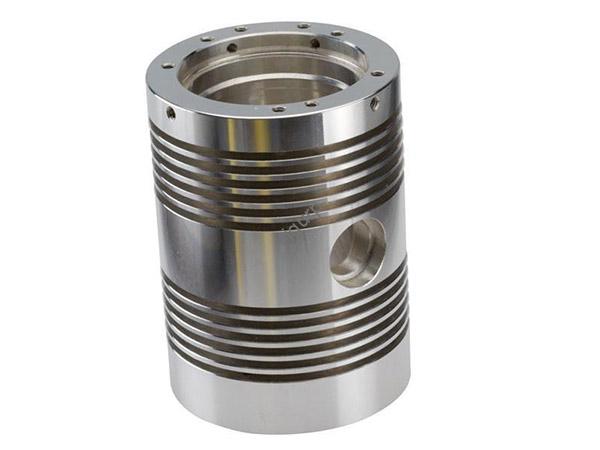
If you’re a machinist or manufacturer searching for a steel that cuts fast, saves tool life, and works for precision parts, 12L14 cold rolled steel is a game-changer. This free-machining steel is packed with additives that make it easier to process than other low-carbon steels like 1018. This guide covers everything from its material properties to real-world uses, with data and examples to help you decide if it’s right for your project.
What makes 12L14’s material properties unique?
The secret to 12L14’s machinability lies in its additives. This free-machining steel requires less force to cut, produces cleaner chips, and extends tool life compared to non-free-machining steels.
Chemical composition
The elements work together to reduce friction and create easily broken chips during machining.
| Element | Content Range | Key Role |
|---|---|---|
| Lead (Pb) | 0.15 – 0.35% | Reduces friction during cutting |
| Sulfur (S) | 0.24 – 0.33% | Creates small chips that break easily |
| Manganese (Mn) | 0.70 – 1.00% | Boosts strength without hurting machinability |
| Carbon (C) | 0.10 – 0.18% | Low carbon for ductility |
Mechanical properties
For engineers, 12L14’s mechanical properties determine if the material can handle your part’s needs. It’s designed for non-load-bearing applications where machinability is the priority.
| Property | Value | Notes |
|---|---|---|
| Yield strength | 310 – 415 MPa | Lower than 1018, sufficient for most non-load-bearing parts |
| Tensile strength | 450 – 585 MPa | Slightly lower than 1018 |
| Hardness (BHN) | 110 – 140 | Softer than 1018, making it easier to machine |
| Density | 7.85 g/cm³ | Same as most carbon steels |
| Magnetic permeability | High | Useful for parts that interact with magnets |
A manufacturer making electrical socket shells uses 12L14 because its low hardness lets them drill holes 20% faster than with 1018, without breaking tools.
What machining advantages does 12L14 offer?
The biggest reason to choose 12L14 is its unbeatable machinability. It makes your shop more efficient and cuts costs significantly.
Machinability vs. 1018 steel
The machinability rating tells the story. Based on industry standards where 1018 hot rolled equals 100%:
- 1018 cold rolled: ~70% machinability rating
- 12L14 cold rolled: ~160% machinability rating
This means you can cut 12L14 over 50% faster than 1018 while using the same tools. For a shop producing 10,000 parts monthly, that’s hours of saved time.
Key processing benefits
- High-speed machining: Safe cutting speeds of 250–350 m/min for HSS tools, faster than 1018’s 150–250 m/min. This reduces cycle time per part.
- Tool life improvement: Lead and sulfur act as lubricants, so tools last 2–3 times longer. A carbide end mill on 12L14 might get 5,000 parts per tool, versus 2,000 with 1018.
- Clean chip formation: Sulfur creates small, brittle chips that don’t clog machines. Less time stopping to clear chips—critical for high-volume production.
- Great surface finish: Achievable finish of Ra 0.4–1.6 μm, smooth enough for parts needing a clean look like hydraulic connectors without extra sanding.
Cost savings breakdown
The cost per part machining 12L14 is lower than 1018, even if 12L14 material costs slightly more. For a simple pin (10 mm diameter, 50 mm length):
| Cost Factor | 1018 Cold Rolled | 12L14 Cold Rolled | Savings |
|---|---|---|---|
| Machining time per part | 2.0 minutes | 1.2 minutes | 0.8 minutes/part |
| Tool cost per part | $0.10 | $0.04 | $0.06/part |
| Labor cost per part ($60/hour) | $2.00 | $1.20 | $0.80/part |
| Total per part | $2.10 | $1.24 | $0.86/part |
For 10,000 parts, that’s $8,600 in savings—well worth the small premium on 12L14 material.
Where does 12L14 perform best?
12L14 is perfect for parts that need fast machining and a clean finish but don’t require ultra-high strength.
Automotive industry
Used for fuel line connectors and brake line adapters. A car manufacturer might use 12L14 to machine 100,000 fittings monthly without tool breakdowns. Bushings and spacers need precise holes—12L14’s machinability ensures perfect fit.
Hydraulics and pneumatics
Used for hydraulic hose connectors. The smooth surface finish creates a tight seal, preventing leaks. Hydraulic shops often prefer it over brass for cost savings.
Precision components
Used for small gears and shafts for power tools like drill bits. 12L14 can be cut to tight tolerances of ±0.01 mm without extra work. Instrumentation screws for medical devices need consistent thread quality—12L14’s machinability ensures every screw is identical.
Cost replacements
Used as a brass insert replacement. Brass is expensive and slow to machine. 12L14 costs 30–40% less and machines faster, making it a great alternative for parts like furniture inserts.
Electrical parts
Used for electrical socket shells. The material’s magnetic permeability and easy machining make it ideal for producing thousands daily with minimal waste.
What forms and supply chain options are available?
Finding 12L14 is easy, but choosing the right supplier and form saves time.
Common forms and sizes
- Round bar stock: Diameters from 3 mm to 150 mm for shafts and pins
- Hex bar: Across flats from 6 mm to 50 mm for bolts and fasteners
- Square and flat bar: Square bars from 5–80 mm, flat bars from 1–20 mm thickness for brackets and spacers
Most suppliers keep these in stock, so you don’t have to wait for custom rolling.
Supply chain tips
- Local suppliers: Offer shorter lead times of 1–3 days versus imports at 2–4 weeks
- Cut-to-length service: Many suppliers cut bars to exact lengths for a small fee, saving time and reducing waste
- Wholesale pricing: Buy in bulk over 1,000 kg to get 10–15% off
- Minimum order quantity: Most suppliers have low MOQ around 100 kg, so small shops can still use 12L14
A small shop making 500 hydraulic connectors monthly can order 200 kg of 12L14 round bar cut to 600 mm lengths with a 2-day lead time from a local supplier.
What standards and certifications ensure quality?
When buying 12L14, always check for the right standards and documents to avoid faulty material.
Key standards
- ASTM A108: The main US standard for cold finished free-machining steel bars
- SAE J404: Covers 12L14, matching ASTM A108
- DIN EN 10277-3: European standard with grade C11SMnPb15, similar to 12L14
Certifications and documents
- Material test report (MTR): Shows test results for your specific batch, including tensile strength and chemical composition
- Certificate of compliance: Proves the steel meets ASTM A108 or other standards
- Safety data sheet (SDS): Explains safe handling, storage, and disposal—important since lead dust can be a hazard
- RoHS compliance: Required for electronics parts in the EU, confirming lead content under 0.1%
- ISO 9001 certification: Ensures the supplier has a quality management system
Conclusion
12L14 cold rolled steel delivers exceptional machinability for high-volume precision parts. Its lead and sulfur additives reduce friction, extend tool life, and create clean chips, making it 50% faster to machine than 1018. For automotive fittings, hydraulic connectors, and precision components where fast production and good surface finish matter more than ultra-high strength, it offers proven cost savings and reliable performance.
FAQ
Is 12L14 suitable for outdoor use?
No, it’s not corrosion-resistant. Lead and sulfur don’t protect against rust. For outdoor parts, coat it with zinc through galvanizing or paint, or choose a stainless steel alternative.
Can 12L14 be welded?
Welding is possible but not ideal. Lead in the steel can cause brittle welds and toxic fumes. If welding is necessary, use low-heat methods like TIG with good ventilation—or choose 1018 instead.
Why is 12L14 more expensive than 1018?
12L14 costs 10–15% more because of its lead and sulfur additives. However, the savings from faster machining and longer tool life almost always make up for the higher material cost. For high-volume production, the total cost per part is actually lower.
What cutting speeds work best for 12L14?
For high-speed steel tools, use 250–350 m/min. For carbide tools, speeds can go higher. These speeds are 50–100 m/min faster than recommended for 1018, significantly reducing cycle times.
Does 12L14 require special coolant or lubrication?
Standard machining coolants work well. The lead and sulfur additives already provide internal lubrication, so coolant primarily helps with chip evacuation and temperature control. No special fluids are needed.
Discuss Your Projects with Yigu Rapid Prototyping
At Yigu Rapid Prototyping, we supply 12L14 cold rolled steel to machinists and manufacturers worldwide. We offer RoHS-compliant 12L14 in round, hex, and flat bars with cut-to-length service and 2–5 day lead times. Every order includes material test reports and certificates of compliance. Contact us to discuss your next high-volume machining project.